Best Stackable Pantry Bins for a Rental Kitchen
You stacked three bins, and now the bottom one is a wall you unload every dinner. This page gives you the four measurements a rental shelf allows, the bin shapes that survive a move, and the stack heights that stay usable in month six. Nothing here needs a screw.
Four calls to make before you order
- A stack is only as good as access to the bottom bin. Two bins high is a system, four bins high is a chore.
- Straight sides stack, tapered sides nest. Renters need both, so split the order instead of buying one shape.
- Buy for the shelf you have now, and check the bins nest empty. Moving day is the test a pantry bin usually fails.
- Weight goes in the bottom bin, frequency goes in the top bin. Getting that backwards is why stacks collapse into clutter.
What makes a stackable bin work in a rental pantry?
A rental gives you fixed shelves, a fixed gap between them, and no permission to drill. So the bin has to do the work that shelving would do in an owned kitchen. That means the lid carries load, the base grips, and the footprint matches the shelf instead of the photo.
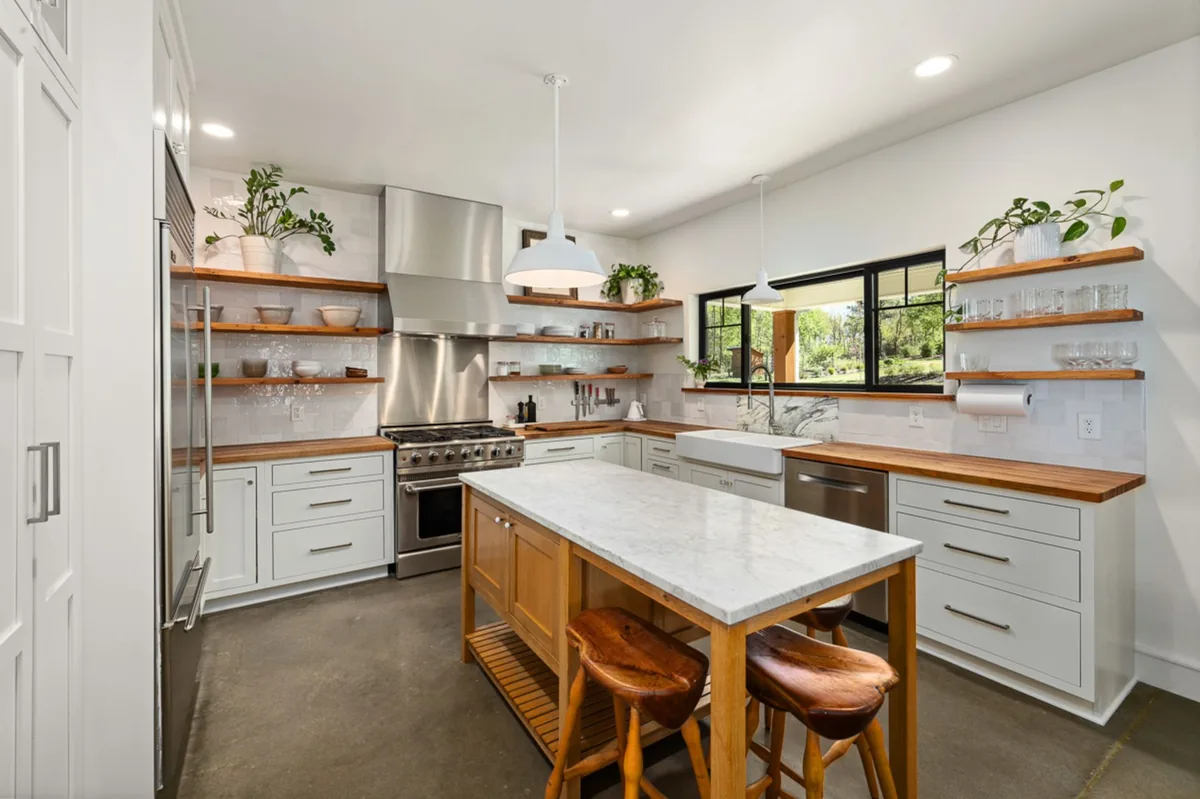
Start from the box the kitchen already is. Base cabinets are 24 inches deep and 34.5 inches high, in widths from 12 to 48 inches.
Many rental pantries are just tall cupboards built on that grid, so bins sized for a cabinet run usually fit, and bins sized for a walk in pantry usually do not.
Width follows the same logic. Kitchen drawer widths run from 12 to 36 inches in three inch increments, because cabinet boxes are built on a three inch module. Bins in three inch families leave less dead strip at the edge of a shelf.
The rental specific test is the one nobody publishes. Ask whether the bin nests empty. A stack that collapses into itself travels in one box. A stack that keeps its shape travels in four, and that cost lands on the day you can least afford it.
How do you measure a rental shelf you cannot change?
Four numbers, one shelf at a time. Write them on your phone before you open any listing, because every listing is designed to make a bin sound like it fits.
Do this for each shelf separately. Rental cupboards are rarely evenly spaced, and the useful stack height changes by several inches from top to bottom.
- Clear height: shelf surface to the underside of the shelf above, at the front and again at the back.
- Clear depth: front edge to the back wall, stopping at the first thing that sticks out.
- Clear width: wall to wall, then again at the door opening, since the door frame is usually the smaller number.
- Lift line: the height at which you can still take a loaded bin down with one hand. Mark it with tape.
Then subtract half an inch from every clear measurement before you choose a bin. The half inch is what makes the bin liftable with one hand instead of wedged in with two, and a wedged bin stops being used inside a month.
The criteria table below carries that number as the fit rule.
Depth is the other trap, and it deserves its own pass. Measure the usable depth first if your cupboard is deeper than your forearm, because a deep shelf punishes stacking twice.
Which stackable bin types earn the space?
Five shapes cover the rental pantry. The criteria table scores them on two columns retailers never print: whether they nest empty for a move, and what the stack costs you in access.
- Straight sided tub, flat lid. Buy it when: You need real height in a tall gap. Nests empty for a move: No, it keeps its shape. Bottom bin access: Lift the top bin off first. What stacking costs you: One extra motion per use.
- Tapered bin, no lid. Buy it when: Stock turns over weekly. Nests empty for a move: Yes, fully. Bottom bin access: Open shelf access, no stack. What stacking costs you: Vertical space above the rim.
- Front opening stack bin. Buy it when: The gap is tall and the bin is deep. Nests empty for a move: Partly. Bottom bin access: Reach in without unstacking. What stacking costs you: Capacity lost to the opening.
- Shallow stacking tray. Buy it when: Packets, sachets and flat boxes. Nests empty for a move: Yes, fully. Bottom bin access: Slide the tray out like a drawer. What stacking costs you: Nothing, if you keep two high.
- Deep crate with handles. Buy it when: Bulk flour, rice, pet food. Nests empty for a move: Yes, if the walls taper. Bottom bin access: Two hands, lift and set down. What stacking costs you: The shelf above becomes unusable.
Straight sided tubs with a flat lid
The workhorse of a rental pantry. Flat lids carry the bin above, straight walls keep the footprint honest, and square corners waste less shelf than round ones. Keep these to two high, and put the pair you open daily at the front.
Container clarity changes what you can find inside them. If you are choosing a mixed set, use the container set selection checks before buying.
Tapered bins with no lid
These do not stack, and that is the point. They nest down to almost nothing when empty, so a move costs one box instead of four. Use them for the stock you touch weekly, where a lid would only slow you down. In a rental, keeping a few nesting bins is insurance, not indulgence.
Mixing the two shapes is the rental answer. Stack where the gap is tall, nest where the turnover is fast, and never buy a single shape for a whole cupboard.
Front opening stack bins
A drop front turns a stack into something closer to drawers. You reach the bottom bin without lifting the top one, which is the single biggest failure a stack has. The trade is capacity, because the opening takes volume the walls would have held. Worth it on any shelf above chest height.
Shallow stacking trays
Sachets, packets and flat boxes are what defeat most pantry storage organizers, because they slump. Shallow trays fix that by giving each layer a floor. Two trays high on one shelf works. Four does not, since the bottom tray becomes a place things go to be forgotten.
Deep crates with handles
Bulk stock needs a crate, and a crate needs the lowest shelf. Handles matter more than lids here, because you will move this one loaded. Keep bulk low and the shelf span short, since a bowed shelf tilts everything stacked on it. The rest of the cupboard then stays light and quick.
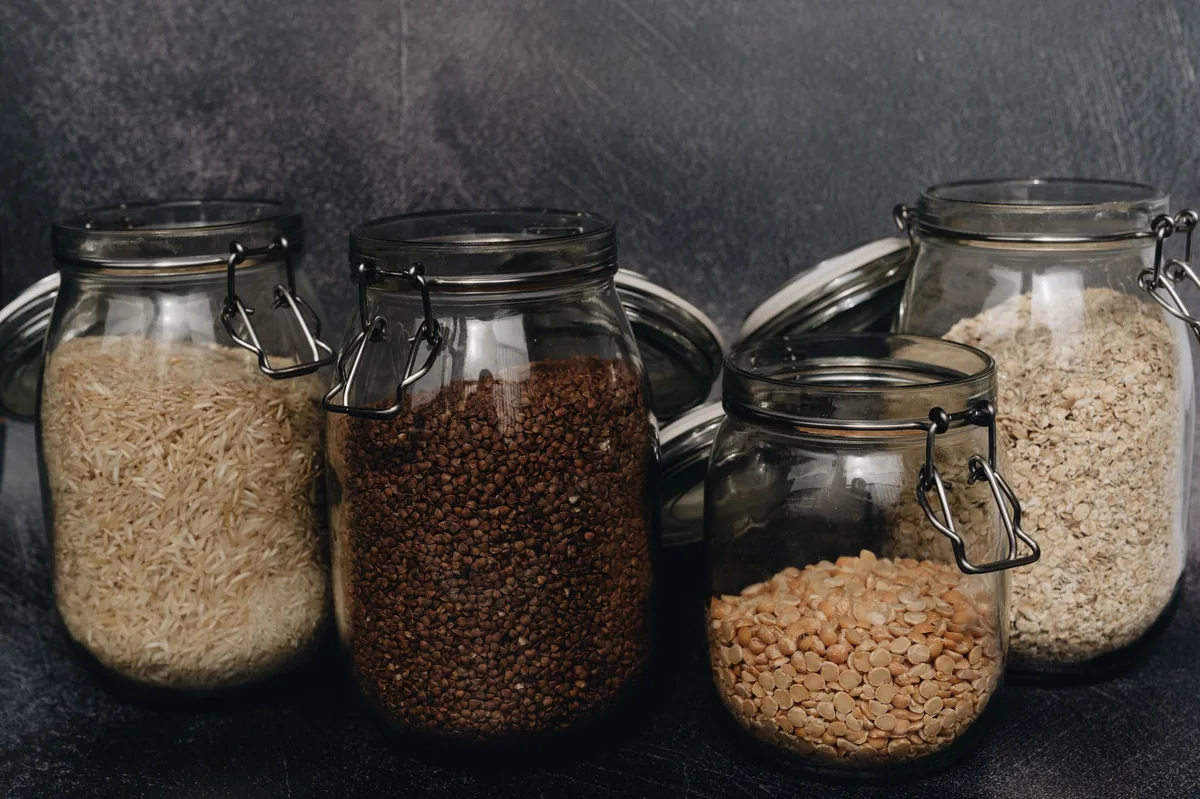
Height is the last filter. Utensil drawers are typically 3 to 6 inches high and pot drawers 8 to 12 inches, which decides whether a tray or a divider fits. Use those same bands to sort your own stock into shallow, medium and deep before you order anything.
What goes wrong with stacked bins?
Stacks fail in a pattern. Each failure gives a warning you can catch in the first fortnight, which is the difference between a fix and a second purchase.
- Bottom bin abandoned. Early sign: the top bin lives on the counter. Cause: stack too tall for the task, or the wrong bin on top.
- Lid bow. Early sign: the upper bin rocks. Cause: a soft lid carrying weight it was never rated for.
- Back tilt. Early sign: the stack leans toward the wall. Cause: measuring height at the front of a shelf that slopes.
- Mystery bin. Early sign: you open two bins to find one thing. Cause: mixed categories, no label on the front face.
The bin that fails first here is the deep crate on an upper shelf. It is heavy, it is high, and it asks for two hands over your head. Move it down before it teaches the household that the cupboard is a hassle.
Labels answer the last one. Put the label on the front face at eye height, not on the lid, because a lid label is invisible the moment the bin goes into a stack.
How to choose in one pass
Sort, then buy. A rental cupboard holds less than it looks, and buying containers before sorting is why it did not last. Give the sort one hour, and the bin order will shrink by a third.
Then match shape to shelf. Tall gap, straight sided tubs two high. Fast stock, tapered nesting bins. High shelf, front opening bins only. Bulk, one crate on the floor of the cupboard. That is the whole decision, and it takes ten minutes with your four numbers in hand.
Shop by dimension, not by range. Ikea pantry organization, target pantry organizer pages and home depot pantry shelving all publish the footprint, so your measurements filter the catalogue faster than any list of the best kitchen organizers can. More sequences sit in the kitchen and pantry hub.
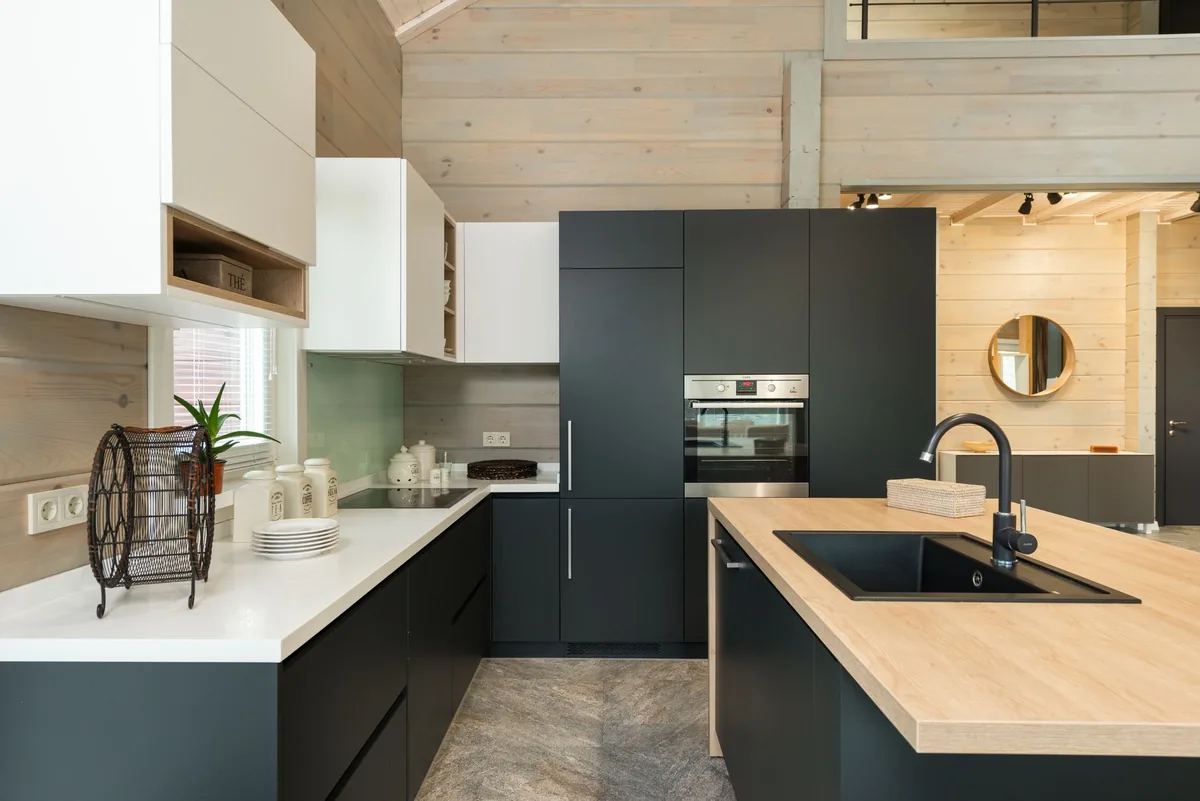
One warning about inspiration. A the home edit pantry photograph shows a single depth, a single bin family and no bulk stock. Home edit pantry organization is a styling standard, not a rental plan, so copy the labelling and skip the matching.
Questions people ask
What is the best under kitchen sink organizer for a rental?
Stackable bins rarely suit that bay. Measure to the lowest obstruction rather than the cabinet floor, because the trap arm and a disposal body steal the usable height in the middle.
If a pipe splits the bay, use two narrow units instead of one wide one, and pick a unit with removable legs so it travels to the next flat.
What is the best way to organize a kitchen when nothing can be fixed to a wall?
Turn every fixed shelf into two working layers with bins, and keep the counter for work only. Assign one cupboard per job: dry goods, tins, appliances. A rental rewards zoning more than an owned kitchen does, because you cannot move a shelf closer to the hob when the zone is wrong.
Which bins suit pantry cupboard designs for small kitchens?
Narrow and tall, in one family. Small kitchens punish mixed footprints, since every gap between mismatched bins is storage you paid rent on. Pick one width that divides your shelf evenly, then vary the height by shelf. Two widths maximum in a small cupboard, and label the front face of every bin.
Do these bins help with the best way to organize a closet?
The shapes transfer, the heights do not. Closet shelves usually sit deeper and further apart, so tall straight sided tubs work there while pantry trays are wasted. Measure the closet shelf on its own terms, and keep pantry bins in the kitchen. Food bins that migrate to a closet rarely come back.
What is the best way to declutter a room before bins arrive?
Sort by decision, not by category. Make three zones on the floor: staying here, leaving the room, leaving the house. Do not clean, do not label, do not shop.
The best way to declutter is to finish the sort in one sitting, then order bins against what is left rather than what was there this morning.