

A capsule wardrobe checklist PDF can help you plan a workable selection without copying someone else’s item count. This free two-page sheet starts with a review window, then considers activities, weather and the time until clothes are clean and ready again. Wear notes and a change log are optional; neither decides what you must give away.
Build a selection that supports your week, with room for exceptions.
Key takeawaysFour planning principles
- Choose a window: use dates that suit your circumstances; three months is optional.
- Check clean-and-ready time: include washing, drying, specialist care and the changes you actually need.
- Keep real exceptions: include protective, cultural, occasional or meaningful clothing without requiring an event booking.
- Keep decisions reversible: use suitable temporary storage if helpful, with no automatic disposal deadline.
If the closet feels full but choosing an outfit is difficult, check what is getting in the way. Fit, weather, access, garment care or a missing useful combination may matter more than the number of pieces.
A capsule is one way to group clothes you want to use together. It need not replace your whole wardrobe or exclude protective, cultural, sentimental or occasional clothing. The checklist gives you somewhere to note a choice, not a rule that makes it correct.
The free version 1.1 printable has two pages and is for personal use. Page one covers your review window, real-week notes and a piece list. Page two has optional four-week wear notes, review questions and a change log. Download the capsule wardrobe checklist PDF or open the editable DOCX version. The PDF is for printing or compatible annotation, not an interactive fillable form; app behavior and DOCX pagination can vary.
Start when it is useful to you, not because a calendar says it is capsule season. Courtney Carver’s Project 333 challenge invites a three-month experiment and explicitly says you can join anytime. The SetsQuick worksheet below is a separate flexible planning tool, not an official Project 333 form.
What is a capsule wardrobe checklist PDF, and what does this one do differently?
A capsule wardrobe is a selected group of clothes you can use together for the activities and conditions you expect. It may be your everyday subset rather than everything you own. There is no need to adopt a particular style or discard the rest to try one.
A capsule wardrobe checklist PDF puts those choices on paper. A suggested white shirt or dark jeans may prompt an idea, but cannot establish what suits your work, climate, body, preferences or care arrangements.
List useful pieces you already own, then note any actual difficulty during ordinary use. You can change the selection immediately if it is not meeting a need. A tracking window is not proof that an item is unnecessary and should not delay getting required clothing.
How many pieces should a capsule wardrobe have?
There is no single count used by every capsule approach. Project 333’s creator describes an optional challenge of 33 items or fewer for three months, including clothing, accessories, jewelry, outerwear and shoes. Its stated exclusions include underwear, sleepwear, in-home lounge wear, workout clothing used for workouts, and a wedding ring or another sentimental piece never removed. Those are challenge rules, not a minimum or maximum wardrobe for everyone.
This checklist does not impose that challenge or a different numerical target. Consider your own activities and conditions, including required uniforms, protective equipment, changes of clothes during the day and your access needs, such as fastenings, sensory comfort, seated dressing or dressing support.
Plan availability, not a fixed ratio
Record the activities and changes you need until clothes are clean and ready again. Include care, drying and useful backup. A count can change; there is no mandatory tops-to-bottoms formula.
Use the three prompts below to make a tentative plan. They are practical questions, not a tested formula or clothing-care standard. You can leave the count blank and begin with one useful outfit.
Everyday tops: note how many changes you actually need before suitable garments are clean, dry and available again. Include work requirements, spills or a backup if useful; there is no required laundry-days-plus-two rule.
Bottoms: plan from actual use, condition and care instructions. Do not assume all trousers or skirts can be reworn a fixed number of times or that everyone needs half as many bottoms as tops.
Shoes and layers: record the activities, weather, comfort and required protection they serve. One item might cover several jobs, while another job may need more than one. Style, cultural use and personal meaning are valid considerations too.
For example, suppose you wash on Friday but a needed garment is not dry until Sunday. A plan that counts only the days between wash loads misses that wait. Write “ready again Sunday” and check the outfits needed until then. This is an illustrative planning example, not a garment count or a recommendation to delay washing.
How do you use the printable, step by step?
For US Letter paper, preview the two-page PDF at 100 percent or Actual size. On a different paper size, check the preview and use your printer’s fit setting if needed. You may annotate a copy in a compatible app or edit the DOCX; neither requires an account from SetsQuick. Software and printer compatibility have not been tested on every device.
- Choose review dates that suit your needs; there is no required season length.
- Fill in real-week notes before deciding whether a tentative count would help.
- Review a manageable selection in a clear, usable area. Keep walkways clear, avoid lifting more than you can manage and ask for help with heavy or hard-to-reach items if needed. Do not empty more than you can safely put back.
- List useful pieces and care needs. Record key instructions or where to find the label; use extra paper or the editable DOCX if you need more rows.
- Keep the selection accessible. Store other items suitably only if useful and with the owner’s agreement.
- Record wears if useful. Four weeks is optional; a zero is a question, not a removal rule.
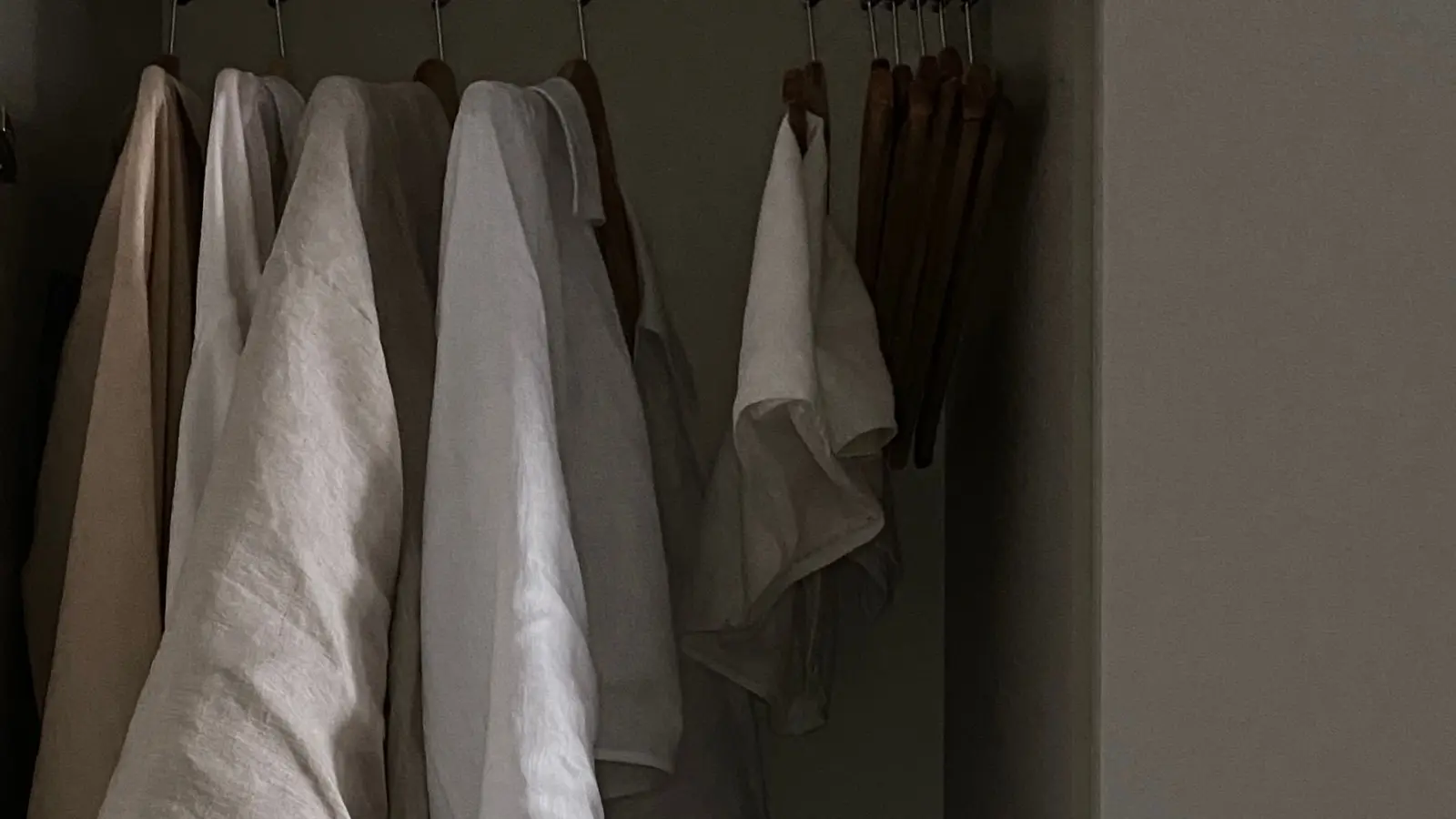
For a small start, write down one upcoming activity and check an outfit you already own for it. Leave the rest of the closet alone. You can return to the worksheet when useful; there is no required five-minute finish or weekend full sort.
Record the actual care instructions, not only “machine,” “hand” or “dry clean.” The US care-label rule for textile wearing apparel covers washing or drycleaning instructions and relevant warnings, with drying and other details where required. Follow your garment’s label, including restrictions. A label may list one method even when another is possible; ask the manufacturer or a care specialist if an unlisted method is uncertain.
Which pieces belong on a capsule wardrobe list?
Use categories only if they help you see the work each piece does. Add, rename or omit rows; the number of printed lines is not the number of pieces you are allowed to keep.
Everyday tops
Start with tops that support the activities you need. Note combinations you like and whether care fits your arrangements. A top with only one useful pairing can still earn its place; there is no two-pairing threshold or required neutral palette.
Bottoms
List the trousers, jeans, skirts or other pieces you use, including any required clothing. Check comfort, condition, combinations and care rather than automatically keeping this category smaller than tops.
Layers and outerwear
Plan layers for your actual weather and activities, with required protection first. A single weather label does not establish how many layers you need, and preference or personal style need not be excluded.
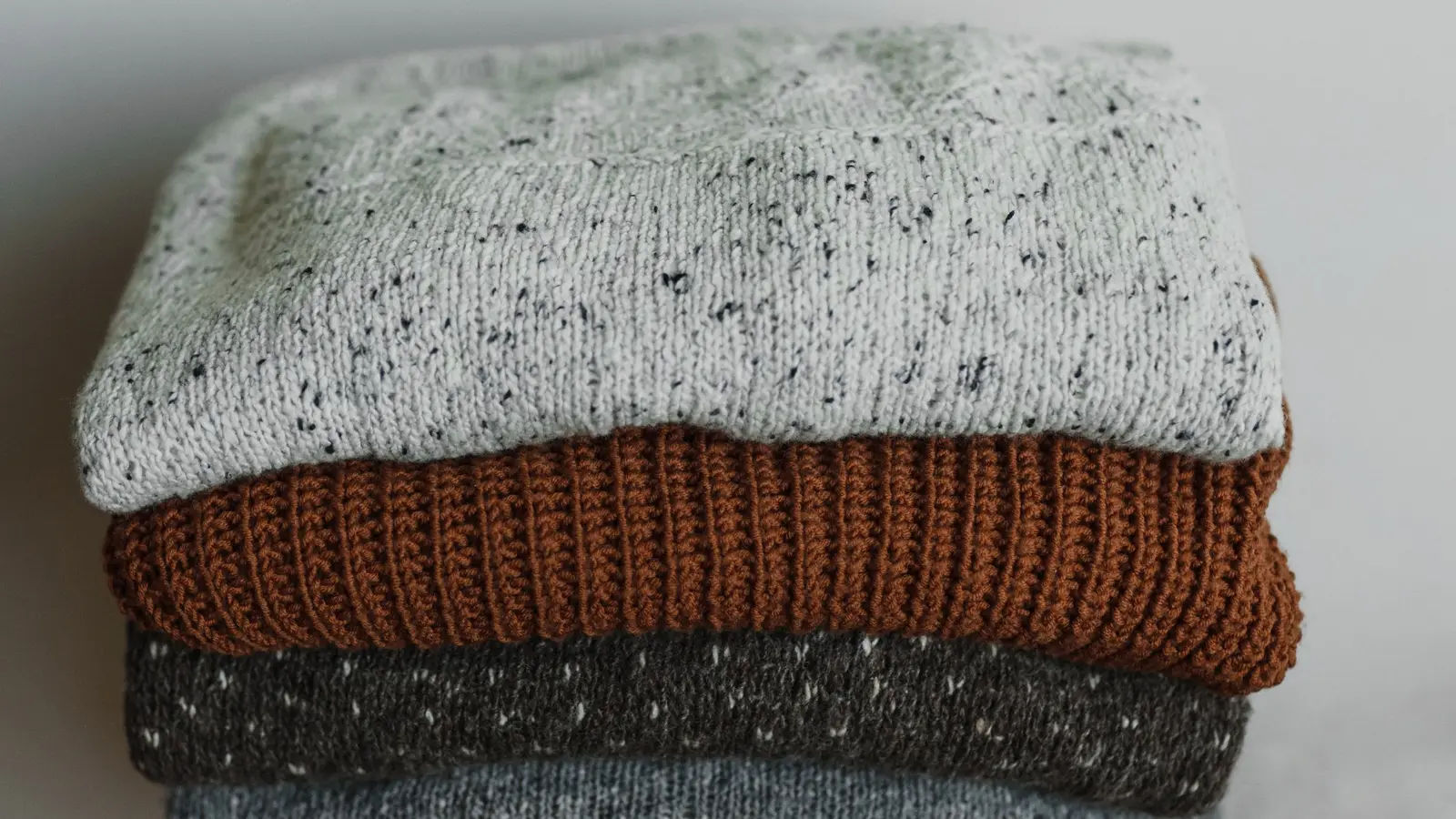
Shoes and occasion pieces
Shoes and occasion pieces may serve work, comfort, weather, cultural use or infrequent events. An unbooked event does not make an outfit disposable. If shoes crowd the floor, compare an over-door shoe organizer and a shoe rack against the actual door and installation requirements before buying. Make sure the door can open and close as needed and the organizer does not obstruct an exit.
What goes wrong with a capsule wardrobe checklist?
A selection may overlook something you need, or include something that is not useful at the moment. Those are possibilities to investigate, not proof you planned for an imaginary life or failed to edit hard enough.
A zero in the wear notes asks for context, not removal. The weather, an infrequent event, a change in plans, access or fit could explain it. Keep useful occasional and protective clothing even if it is not worn during the observation window.
If you run short of suitable clean clothing, revisit the plan rather than forcing yourself to meet a count. Retrieve a useful item, change the care arrangement if appropriate or note a genuine unmet need. Do not postpone required clothing until four weeks are complete.
Use the notes only if they help. Four weeks is a convenient space on the sheet, not research proving the right observation period. A shorter or longer review, or a simple written note, may suit you better.
Read the context beside a zero
A four-week tally is optional. Note weather, access, fit or an occasional purpose before deciding anything. Low use alone does not require a hold box or donation.
What should you do with the pieces that do not make the list?
If you want to separate some clothes temporarily, choose suitable dry storage and keep needed items accessible. An optional review date can remind you to look again; it is not a deadline to donate. A hold box is not required, and you should not move someone else’s belongings without agreement.
At review, consider usefulness, condition, fit, personal meaning and the owner’s wishes. Not missing an item during one window does not establish that it should leave. Keep, repair, store or pass it on only when that decision fits the item and circumstances.
Before donation, resale or textile recycling, check what the actual recipient accepts and any condition or hygiene rules. Recycling is not available for every textile everywhere. Avoid an automatic disposal decision based on a tally or a missed date.
How do you review a piece without a keep-or-discard score?
Use these review questions when you hesitate. There is no required time limit, score or correct number of yes answers. You may keep an item for one important reason or leave the decision open.
- What job does it do? Consider combinations, required protection, occasional use and personal meaning; there is no minimum pairing count.
- What explains its recent use? Weather, fit, access or changed plans may matter. Low use alone does not decide what stays.
- Can it be cared for and used comfortably? Follow its instructions and consider available support or specialist care rather than rejecting it automatically.
Keep a decision provisional when you need more information; there is no required score for deciding whether a piece stays. For the rest of the storage around the selection, browse the closet organization hub or use the free home reset for a smaller starting task.
Frequently asked questions
Is this capsule wardrobe checklist PDF free?
Yes. Version 1.1 is a free two-page PDF for personal use, with no purchase needed. It contains a real-week planning page, a piece list, optional wear notes, review questions and a change log. The linked DOCX is editable. The PDF has no interactive form fields; use paper or compatible annotation software.
How many items should be on a capsule wardrobe checklist?
There is no required number on this worksheet. Plan from actual activities, clothing changes, care and ready-again time. Project 333 is a separate optional 33-item challenge, not the rule this checklist uses. Revise the plan whenever something needed is missing.
Do shoes and accessories count in a capsule wardrobe?
You choose what to list here. Shoes, layers and accessories may change how an outfit works, so note them if useful. If you follow Project 333 instead, use its creator’s current rules and exclusions rather than assuming this worksheet reproduces that challenge.
How often should you update a capsule wardrobe checklist?
Review when needs, weather, fit or care arrangements change. You can use the optional four-week notes or choose a different window. A season date or zero wear count is not a deadline to remove belongings.
Written by the SetsQuick Team. First published .
© SetsQuick. This article and its images may not be copied or republished without permission. To report reuse, see our DMCA page.
Was this guide helpful?
Save it for later or send it to someone