
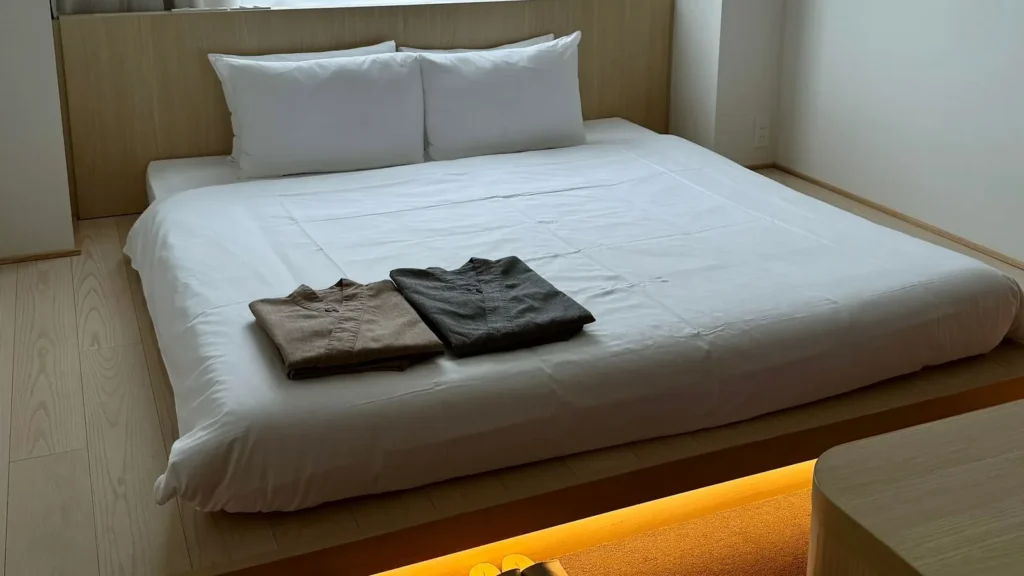
Under-bed storage ideas for low bed frames start with the frame instructions and a clear route for a filled container. Check accessible low points, not just the visible side rail: a slim-looking bin can still catch on a center support or need more room to open its lid.
Key takeawaysFour decisions before you buy anything for a low bed
- Measure the lowest point: check accessible points near the head, middle and foot, including slats and center rails. If the route cannot be checked safely, choose another location.
- Allow movement space: check the filled container, lid, handles and pull-out route.
- Compare actual dimensions: shortlist bags, drawers or other containers only after checking their filled size.
- Map by access: place items where you can reach them comfortably; use another location if retrieval is awkward.
Low beds and platform frames can leave limited clearance. The usable opening varies with the frame, supports, floor and access route.
Where storage is permitted, a shallow opening may accommodate suitable flat items or containers. Check each item’s dimensions and the complete route rather than assuming a storage type will fit.
This guide covers how to measure a low bed, compare actual container dimensions and decide whether storage is accessible and appropriate for the items.
Review the space when your needs change, and address an unsafe or obstructed arrangement as soon as you notice it.
How do you measure the clearance under a low bed?
From the side, measure from the floor to the lowest accessible part of the frame, not just to the visible side rail. Center supports, slats or cross rails may sit lower than the outer frame and can obstruct containers.
From the side, check accessible points near the head, middle and foot and look for obstructions along the intended route. Use a flashlight and tape only where you can reach safely; do not crawl beneath, lift or move the bed. Three readings alone may miss a lower obstruction. If you cannot check the route safely, choose another storage location rather than guessing.
- Clear a path: remove existing items only if you can do so safely from the side; seek help or choose another location if you cannot.
- Find obstructions: from the side, look for center legs, slats and cross bars along the route.
- Measure accessible spots: check near the head, middle and foot from the floor up only where you can reach safely from the side.
- Note the limiting points: record the smallest accessible measurements and other obstructions along the route.
- Allow movement space: compare the actual filled container and its instructions with the available route.
- Check reach: note how far you can reach comfortably from each accessible side without leaning under the frame.
Remember the floor itself. A rug or carpet can take up part of the gap, so measure from the top of the pile rather than from the floor underneath. A container that glides on hard floors can also drag on pile, so measure on the surface where the bins will actually sit.
Check the legs as well. Some frames have center legs or support feet that divide the space into lanes. Check each accessible lane’s width before choosing long containers; if the route cannot be checked safely, use another location.
Record the narrowest opening, interior lanes and pull-out space. Compare them with the container’s external filled dimensions, including handles, wheels and lid. Numbers narrow the options; they do not certify access, bed compatibility or load safety. Never remove supports or crawl beneath a bed to measure it.
Low-bed measurement record
Record the lowest accessible opening, narrowest lane between supports, filled container height and space needed to pull it out and open it. Include lids, handles and wheels; measurements alone do not approve a particular setup.
Under-bed storage ideas for low bed frames: compare the fit
Use the measurements to shortlist containers, then check filled dimensions, movement, opening access and the bed maker’s instructions. No clearance band reliably assigns a container type.
Consider the options below as questions to check, not tested product classes or minimum-clearance standards. A measurement on paper does not prove that a filled bag, wheel or lid can pass through the entire route.
Compare the actual item and route
- Flat items: check their dimensions and whether the location suits the contents.
- Fabric bags: measure them when filled and check whether their contents need a different environment.
- Rolling drawers: include wheels and handles in the measurements and check the pull-out route and floor surface.
- Lidded containers: check the filled exterior dimensions and space to open the lid, including room to pull the container out if needed.
- Support legs: compare each accessible lane with the container; never move or remove a support to make it fit.
Product heights vary, so always compare the listed height with your own number. Some product listings state a minimum clearance; check whether it includes wheels, lids and a filled bag. Still, a listing cannot promise that the lid or wheels will clear your particular frame.
Measure a fabric bag when filled; an overfilled bag can bulge, snag or press against the bed. Do not force either a bag or a rigid bin into a tight opening. Choose less storage or a different location when access is not practical.
A rolling drawer may be easier to use for some people if it fits, works on the floor surface and can be pulled out without strain. Wheels do not guarantee access or safe loading.
Check a real container, not a category
Write down the container’s external filled dimensions and required opening space. Compare the entire route, not just the gap at the side rail. Do not force bags into the frame or remove bed supports; choose another storage location if fit or permitted use is unclear.
What should you store under a low bed?
Consider lightweight items only if the bed instructions permit storage and the location stays dry and accessible. Ordinary spare linens may be suitable when fully dry; valuable papers, delicate keepsakes and moisture-sensitive items may need a different environment. This guide does not establish suitability for cribs, bunk or loft beds, adjustable or medical beds; check the exact manufacturer’s instructions before storing anything under or beside them.
Avoid heavy loads or awkward lifting; a rolling drawer is not an automatic exception to safe access or documented load limits. Keep frequently needed items within comfortable reach; kneeling or pulling out a bin may be difficult for some people.
Use your actual reach and routine, not a monthly cutoff. Keep frequent-use items where you can retrieve them comfortably without moving the bed. If kneeling or pulling is difficult, accessible storage elsewhere is a better option, even for seasonal items.
An unlabeled or hard-to-reach container can make items difficult to find. Arrange and label storage so you can identify and retrieve it comfortably.
Should you raise a low bed with risers?
Do not add risers for storage unless the bed manufacturer and riser instructions explicitly permit the exact frame, feet, floor and intended loading. A quoted weight limit alone does not establish that compatibility. If you cannot verify it, keep the original bed setup and store items elsewhere.
Follow all installation and use restrictions for the approved combination; do not improvise blocks, remove supports or combine risers. A wobble check cannot certify stability. This guide does not recommend modifications to cribs, bunk or loft beds, adjustable beds or other beds with special safety requirements.
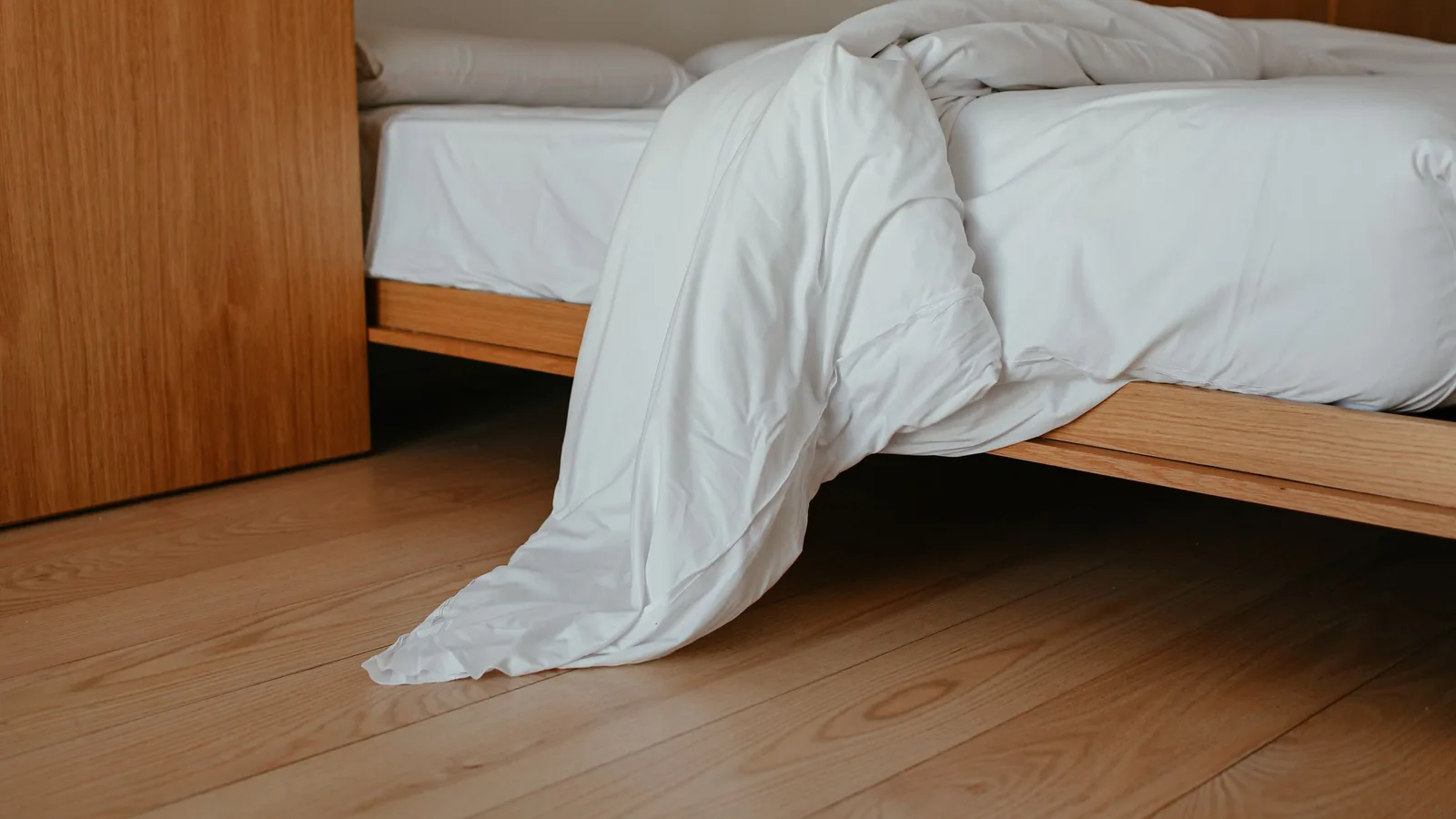
If an explicitly permitted bed-and-riser combination is used, consider access and the changed relationship to nearby furniture. Keep the route to exits clear and windows and doors operable; comfortable access is not proof of compatibility or stability.
Reversibility is not proof of safety or permission. Do not replace original feet or alter a rented or shared bed without the necessary approval and exact manufacturer guidance.
How do you keep under-bed storage clean and easy to reach?
Dust can collect under a bed. A suitable lidded bin or zippered bag may help protect dry fabric items, but does not guarantee protection from moisture or pests. Choose materials and storage conditions appropriate for the contents.
Arrange containers with handles and labels accessible from the side you use. Avoid placements that require awkward reaching or moving heavy items; use less of the space if necessary.
Choose accessible locations according to your routine and the contents’ care requirements. A rarely used item need not go in a hard-to-reach spot, and delicate keepsakes may need a different environment.
Clean the area as needed when you can do so safely without moving or lifting the bed. Check for dampness and address its cause; follow the bed and mattress makers’ ventilation and clearance requirements. Do not pack storage against supports or restrict required airflow. For example, TEMPUR Australia’s guidance specifies airflow for its mattresses and bases; it is not a universal rule for every bed.

Make the space under the bed part of a bigger plan
Under-bed space may serve as backup storage if the bed allows it, the contents suit the location and you can retrieve them comfortably. It is fine to leave the space empty.
The SETS method sorts and edits belongings before choosing storage. Editing first may reveal items you no longer need, but there is no target amount to discard. Keep necessary, seasonal and personally important belongings, and obtain agreement before moving someone else’s things.
For more ideas that fit tight rooms and awkward corners, browse our small spaces hub or visit the closet organization hub to plan hanging and shelf space first. If the whole bedroom feels behind, the free reset checklist breaks it into short sessions.
Choose a manageable area for a session, such as a nightstand or dresser top; use under-bed space only when it is suitable and accessible.
Check fit and access promptly; do not wait for a routine review to address scraping, strain, dampness or interference with the bed. Adjust the location to your actual use and reach, without assuming a rolling drawer or a deeper spot will be suitable.
Under-bed storage ideas for low bed frames begin with careful measurements and a check of the bed instructions. Check that storage is permitted, measure the whole access route and compare actual filled dimensions. A label and an accessible location matter more than using every inch.
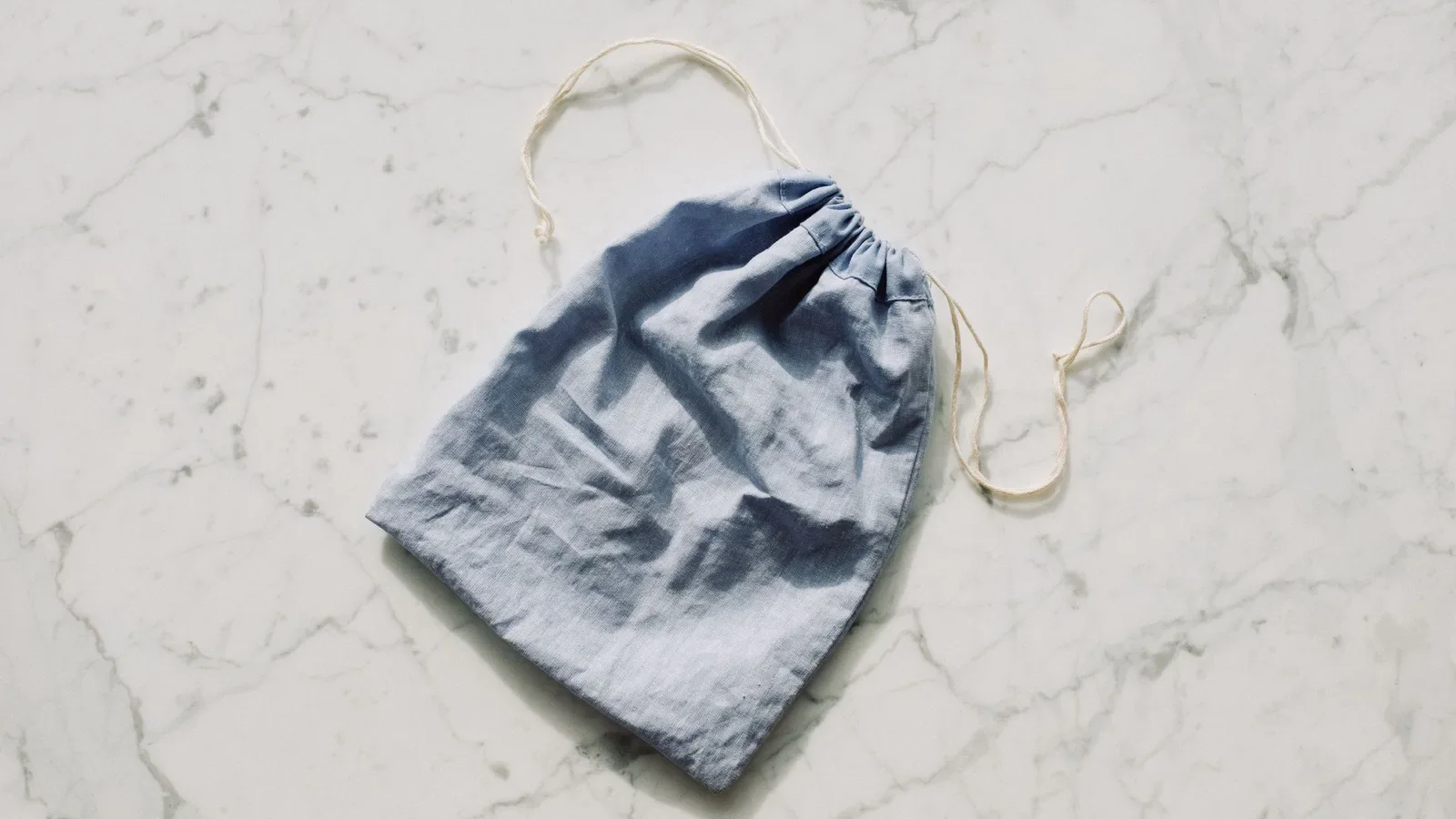
Keep escape routes clear and windows and doors easy to open. NFPA escape-planning guidance addresses exits generally; it does not approve under-bed storage or risers.
Frequently asked questions
What can you store under a bed with 5 inches of clearance?
Five inches (12.7 cm) does not guarantee a particular bag fits. Check the bed instructions, narrowest opening and filled bag dimensions, with space to move it without forcing it. Store only clean, fully dry items; choose another location if the route is too tight.
Are rolling under-bed drawers worth it for a low bed?
A rolling drawer may help if its exact height, wheels, pull-out route and floor surface suit the space. No single height guarantees a drawer will fit. Check the bed and drawer instructions, including any load restrictions; wheels do not guarantee easy access.
How do you stop under-bed storage from getting dusty?
Suitable lidded bins or zippered bags can help limit dust, but do not guarantee protection from moisture or pests. Clean the area as needed when safe, keep required airflow clear and label containers for easy identification.
Is it safe to raise a bed with risers for more storage?
Only consider risers when both manufacturers permit the exact bed-and-riser combination, installation and intended use. A load rating or wobble check alone is not enough. If compatibility cannot be verified, do not raise the bed for storage.
What should not go under a low bed?
Avoid heavy or awkward loads, items that need a drier or more protected environment, and anything you cannot retrieve comfortably. Papers and electronics may need a different location. Frequency alone does not decide suitability.
Written by the SetsQuick Team. First published .
© SetsQuick. This article and its images may not be copied or republished without permission. To report reuse, see our DMCA page.
Was this guide helpful?
Save it for later or send it to someone