
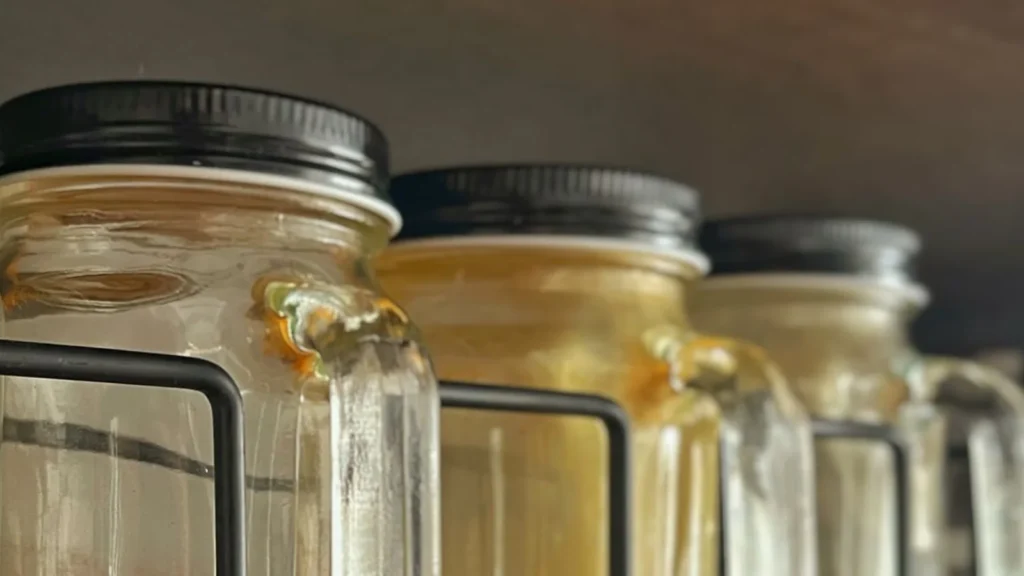
The best spice rack for a small kitchen is usually an expandable tiered shelf with a solid base inside an upper cabinet. Some freestanding models can improve label visibility without permanent installation, but jar fit and stability vary. For a narrow opening, consider a pullout only if the exact model and its mounting method fit. For a door rack, verify the door, hinge and rack instructions, loaded weight, fixings and full clearance.
Do not buy by advertised jar capacity alone. A rack that holds 30 matching jars may waste space when your real collection includes square tins, tall grinders, refill bags, and short supermarket bottles. Measure the cabinet and the jars as one system, then choose the motion that makes every label and lid reachable.
The quick recommendation by cabinet type
- Standard upper cabinet: use a two or three level expandable riser with flat, nonslip steps.
- Narrow face-frame opening: consider a slim pullout only if its complete installation, load and movement fit the cabinet.
- Wide cabinet with shallow shelves: use two short risers side by side, not one deep rotating organizer.
- Clear door interior: consider a door rack only after confirming compatible fixings, loaded weight, door and hinge capacity, and shelf clearance.
- Deep corner: use a small turntable for frequently used bottles, with no second row hidden behind it.
- Available drawer: lay jars at a readable angle or use a drawer insert if the drawer is tall enough to close.
Serious Eats tested 18 spice racks and found that visibility, stability, and easy removal matter more than a large theoretical capacity. Its testing also supports in-drawer systems for label visibility and narrow pullouts for tight cabinets. The useful lesson is not that one rack wins every kitchen. It is that the rack must match the cabinet and the jar collection.
Choose by fit and use: Compare a riser, pullout, door rack or turntable against the actual cabinet opening, loaded movement and access. A door rack also needs compatible door construction, fixings and a confirmed load limit.
Start with the spices you actually use
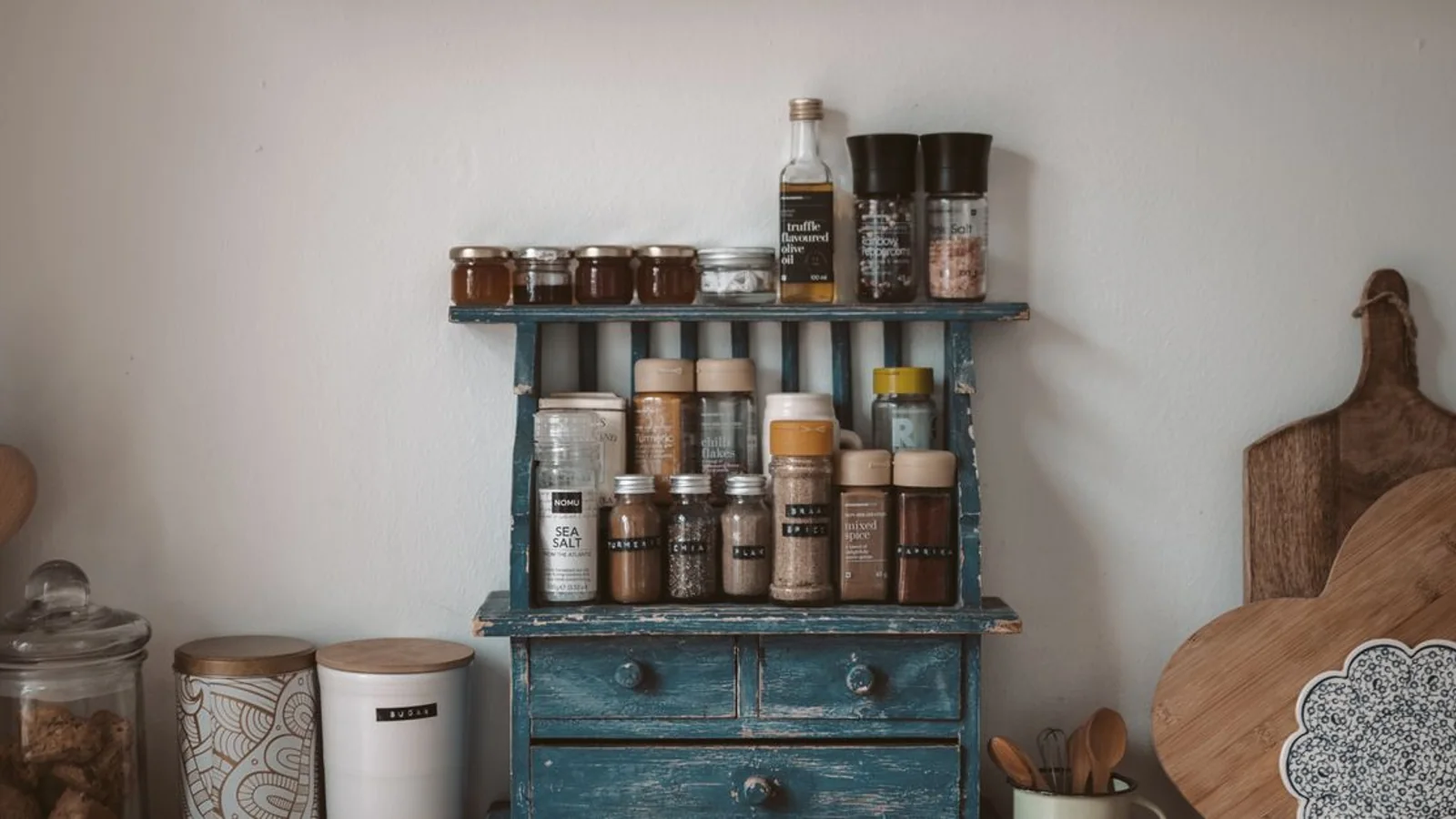
Empty the cabinet and group the contents before measuring. Put everyday cooking spices in one group, baking spices in another, blends in a third, and duplicates or refills in a separate backstock group. Follow package storage and date guidance, and set aside products that are damaged or otherwise unsuitable. Keep duplicate batches identifiable; finish the older batch before cleaning and drying the container for the next one.
Count shapes, not just containers. Record the tallest grinder, widest tin, shortest jar, largest lid, and any refill packet that must stand upright. A good rack should let the tallest item clear the shelf above and keep the shortest label visible. When one unusual bottle forces every shelf to become taller, store that bottle with oils or condiments instead of sacrificing the whole spice cabinet.
Keep primary jars near the cooking zone and move sealed refills elsewhere. A small cabinet becomes easier to use when it holds one active container per spice rather than every package bought. The reserve can sit in a labeled pantry bin. If that bin must fit a fixed shelf, use our guide to pantry shelf depth before buying bins.
Measure the moving path, not the empty box
A spice rack can fit the cabinet interior and still fail at the door. Hinges narrow the opening. A face frame can be smaller than the cabinet box. The closed door may touch jar lids. A pullout may strike a hinge before reaching full extension.
- Measure the narrowest clear width between the open door, hinges, and face frame.
- Measure usable depth from the back panel to the inside of the fully closed door.
- Measure clear height from the shelf surface to the shelf above.
- Measure the first few inches of the hinge sweep where a rack or jar must pass.
- Check whether the shelf has a raised lip, center stile, or adjustable pin that steals space.
- Add the rack height to the tallest jar and leave finger room above the lid.
Vertical Spice tells buyers to measure the narrowest width between hinges, depth to the closed door, and shelf-to-shelf height. That method is especially important for a pullout because every part of the loaded organizer must travel through the opening.
Measure the complete path: Check the narrowest opening, closed-door depth, usable height and full movement of the loaded rack and jars. Account for hinges, shelf edges and the installation route; a footprint alone cannot establish fit.
Choose the rack by its motion
Tiered shelf: the best default
A stepped riser raises the back rows so their labels appear above the front row. It works well when the cabinet is at eye level, the shelves are not extremely deep, and the jars can be lifted straight out. Choose a model that expands to use most of the width without pinching against the walls.
Look for broad, flat steps. Thin wire rails can let narrow jars lean or fall through. A solid step supports square tins and jars with different base diameters. Nonslip feet help, but the rack should remain stable even when one side is loaded more heavily than the other.
Pullout rack: best for a narrow opening
A full-extension pullout turns a deep, narrow cabinet into a visible vertical row. You pull the collection forward and read labels from the side. This is often the best spice rack for small kitchens when a slim cabinet sits beside the range, but it demands the most precise measurement.
The Rev-A-Shelf 448 wall pullout family illustrates the constraints: even a narrow unit needs a defined minimum opening, depth, and height, plus clearance from hinges. Check the exact model rather than assuming every nominal cabinet size has the same usable opening.
Door-mounted rack: useful but conditional
A door rack uses a surface that would otherwise be empty and puts jars in a single visible layer. It can be excellent for light, uniform jars. It can also collide with shelves, force the door to stay open, or overload weak hinges.
Before installation, use a lightweight, securely held cardboard mockup to check the rack and jar envelope without loading jars on the door. Move the door slowly and check for contact with shelf edges. This checks geometry only, not structural capacity. For example, one purpose-built kit projects 3 1/8 inches from the door while its shelves are 2 1/8 inches deep. The dimensions listed for the Masterpiece Cabinets SRK15 show why closed-door depth must be measured, not guessed.
The Rev-A-Shelf 565 series offers door and wall-mounted options for common wall-cabinet widths, but the cabinet size on the label is only a starting point. Hinges, shelf setback, fasteners, and obstructions still decide whether the rack can move safely.
When a turntable is the wrong answer
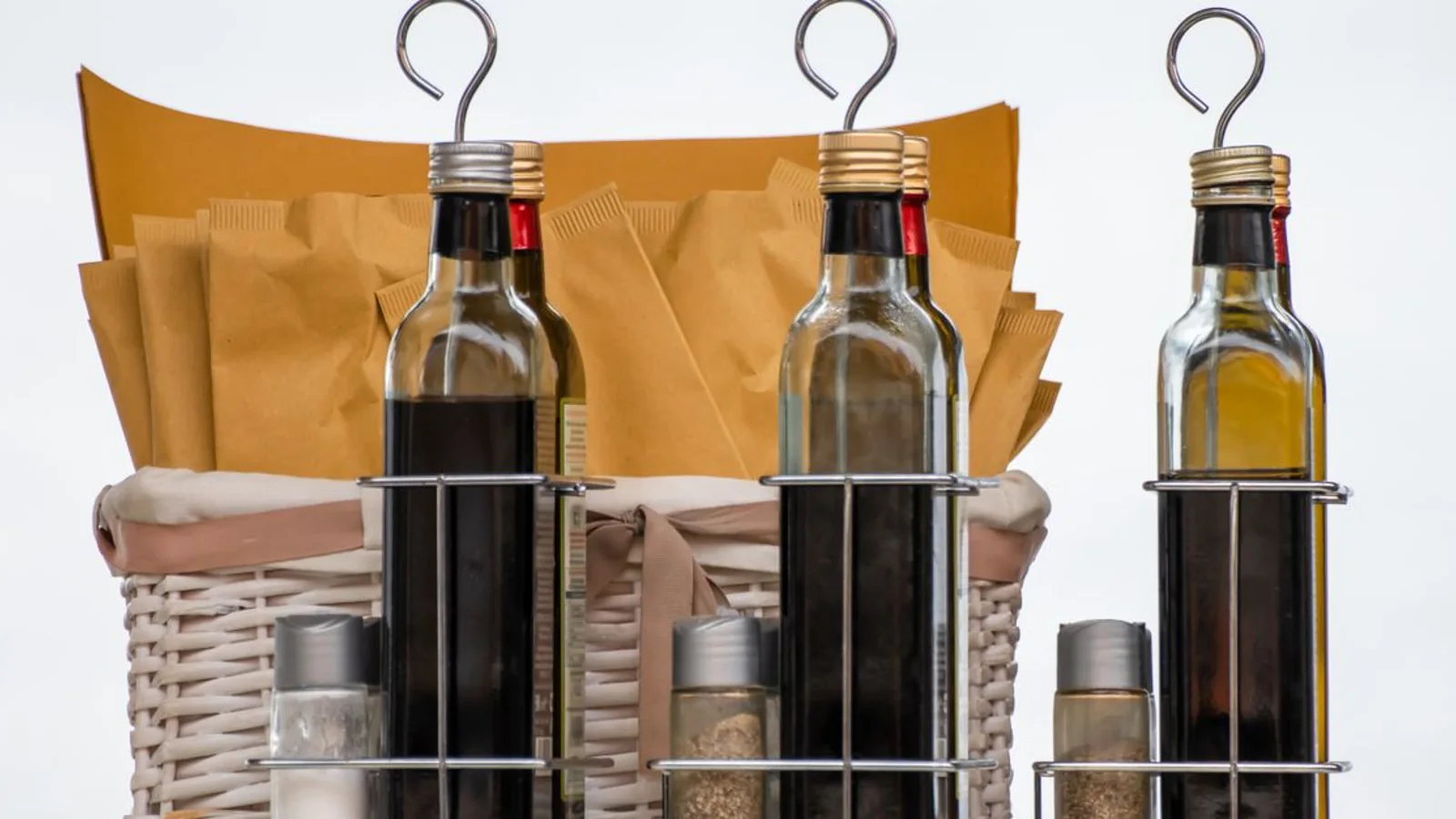
A small turntable is useful for round bottles in a deep corner, especially when every item can rotate to the front. It is not the automatic choice for a rectangular upper cabinet. The circular footprint leaves unused corners, and tall jars can hide short jars near the center.
For a freestanding spice turntable, check its permitted use and load, the full loaded rotation, door clearance and the intended user’s access. Include projecting jar lids and handles. Follow the product’s placement instructions rather than deliberately loading it unevenly to test stability; a low rim does not guarantee readable labels or prevent tipping. Do not stack jars to increase capacity.
Installed corner-cabinet hardware serves a different job from a freestanding spice turntable. Our 36 inch corner cabinet Lazy Susan guide covers the cabinet, exact model, mounting and full operating route, not just the opening.
Design the layout for one-hand use
A practical spice cabinet works while the other hand is stirring or holding a pan. Put the most-used spices at the front center or on the easiest pullout level. Keep hot pepper, salt, and frequently used blends within a comfortable reach, but away from direct stove heat, steam, and splashes.
- Face labels forward on risers and outward on pullouts.
- Keep jar heights similar within each row so short labels stay visible.
- Leave a small empty slot so a jar can be returned without rearranging the cabinet.
- Put refill packets in one removable bin instead of wedging them behind jars.
- Separate sweet baking spices from savory everyday seasonings when the collection is large.
- Use readable labels on the surface you actually see, not only on the front of every jar.
Do not decant only for visual uniformity. Original packaging may carry lot codes, best-by dates, ingredient lists, allergen warnings, and preparation information. If you decant, retain the relevant product, date, lot and allergen information. Finish the older batch first; clean and fully dry the container before adding the new batch. Our clear versus opaque container guide explains the visibility tradeoff.
Features worth paying for
- Full extension: the back jar should travel completely beyond the cabinet face.
- Solid support: flat shelves hold mixed base shapes more reliably than wide wire slots.
- Adjustable width or shelf height: useful when the collection changes.
- Low retaining rail: appropriate for the items and the manufacturer’s intended use while leaving labels readable; a rail alone does not guarantee that jars cannot fall.
- Removable components: spills and spice dust should be easy to clean.
- Compatible hardware: use the exact rack’s specified slides, fixings, substrate and total load limits. A family or cabinet-width label alone is not a model-level installation approval.
Common buying mistakes
The most common mistake is measuring the cabinet wall instead of the usable opening. The second is choosing a rack for matching jars before deciding whether to transfer the actual spices. The third is filling every inch, leaving no finger room and no place to return a jar.
Avoid racks that obstruct the door or full movement. Use only the exact product’s approved mounting method for the cabinet or wall material and total loaded weight; do not substitute adhesive for specified screws or assume a light-load trial proves adhesive suitability. Keep spices away from unsuitable heat and moisture.
A low-risk setup plan
- Sort active spices from refills and duplicates.
- Measure the narrowest opening, closed-door depth, height, and hinge sweep.
- Choose the rack motion: lift from a riser, pull forward, swing with the door, or rotate.
- Mock up the rack footprint with cardboard and test the tallest jars.
- Confirm the exact rack’s installation and load instructions before loading. Check normal use for obstruction or movement, but do not use an uneven-load or week-long trial as a capacity test.
- Check that labels remain visible and the door closes without pressure.
- Only then duplicate the system in another cabinet.
A solid freestanding riser is one option if the shelf, jars and user’s reach suit it. Consider a pullout for a narrow or deep cabinet only when the exact model fits and can be installed as specified. Choose a door rack only after confirming both clearance and the required fixing and loaded capacity. The best rack is the one that lets you identify, remove, and return a jar without shifting another category.
Keep the rack clean and the spices stable
Wipe spice dust before it builds up under the rack or in slide hardware. A removable riser can go to the counter for cleaning, while an installed pullout needs enough side access for a cloth. Keep jars dry, close lids fully, and replace cracked containers that can leak powder into a moving mechanism.
Heat, moisture, and bright light can shorten flavor life. Penn State Extension advises keeping spices away from warmth and moisture, including above the stove. A cabinet near the prep area is usually more practical than open storage beside the stove. Date a newly opened spice or retain the package date, then review slow-moving jars during a regular cabinet cleanout. A smaller active collection with readable labels is more useful than a crowded display.
Frequently asked questions
Are tiered spice racks good for small cabinets?
Yes. A stable, expandable tiered rack is the best general choice for a standard upper cabinet because it reveals back labels and accepts mixed jars. Confirm that the tallest back-row jar clears the shelf above.
Is a pullout spice rack worth it?
It is worth considering for a narrow, deep opening where fixed rows hide the back. Full extension and hinge clearance are essential. A shallow cabinet may work better with a simple riser.
Can a spice rack go on a cabinet door?
Only when the rack, door and hinge instructions permit the total load and installation method, with the required clearances and suitable fasteners. A cardboard mockup can reveal a collision, not prove fixing strength or long-term capacity. Check for utilities and other obstructions before drilling; seek qualified advice if compatibility is uncertain.
How should spices be arranged in a small kitchen?
Keep frequently used cooking spices closest to the prep zone, group the rest by use, and store refills separately. Arrange labels on the surface visible from the cabinet opening.
Written by the SetsQuick Team. First published · Last updated .
© SetsQuick. This article and its images may not be copied or republished without permission. To report reuse, see our DMCA page.
Was this guide helpful?
Save it for later or send it to someone