
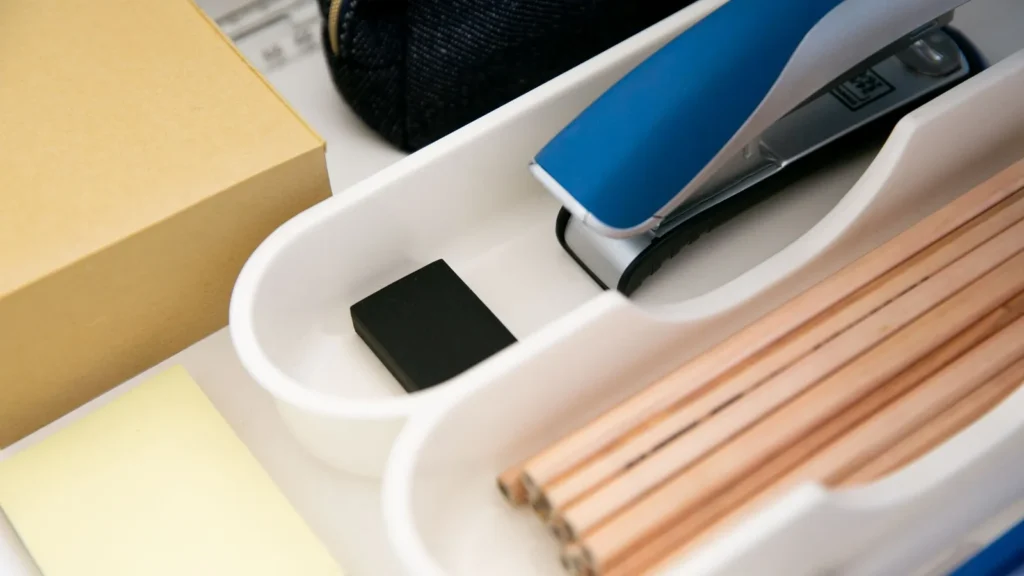
You cleared the junk drawer, and it was full again within weeks. A junk drawer may refill when it becomes a landing spot for things without a clear home; that does not mean you failed to tidy. This method tracks what flows in and helps you give items a practical, safe home.
Key takeawaysDecide these before you touch the drawer
- Count what comes in for seven days before you buy any organizer.
- Give every category an exit, a place outside the drawer where extras go.
- Keep frequently used items and any occasional essentials that make sense there; give the rest a suitable home.
- Choose trays or dividers that fit the items and the drawer; keep hazardous items safely stored.
Why does a junk drawer keep filling up again?
Most people treat this drawer as a mess to clean. It is really a flow problem. Items such as mail, keys, batteries, takeout menus, twist ties and receipts may accumulate there. They land in the drawer because it is closest to where they entered the house.
Nothing leaves at the same speed. A battery goes in, but the dead one never goes out. A spare key lands, and nobody knows which lock it fits. After a few weeks, the drawer holds a month of arrivals and very few departures.
A one-time clean-out may not last if the same items continue to arrive without a plan for where they belong.
The fix is to change the flow, not just the contents. You need to know what comes in, decide where each type of item should really live, and keep the tools and occasional essentials that make sense in the drawer. Give other items a suitable home.
This is also why buying an organizer first rarely helps. A tray can separate items, but it does not by itself change what arrives. When a tray fills, new items may pile on top.
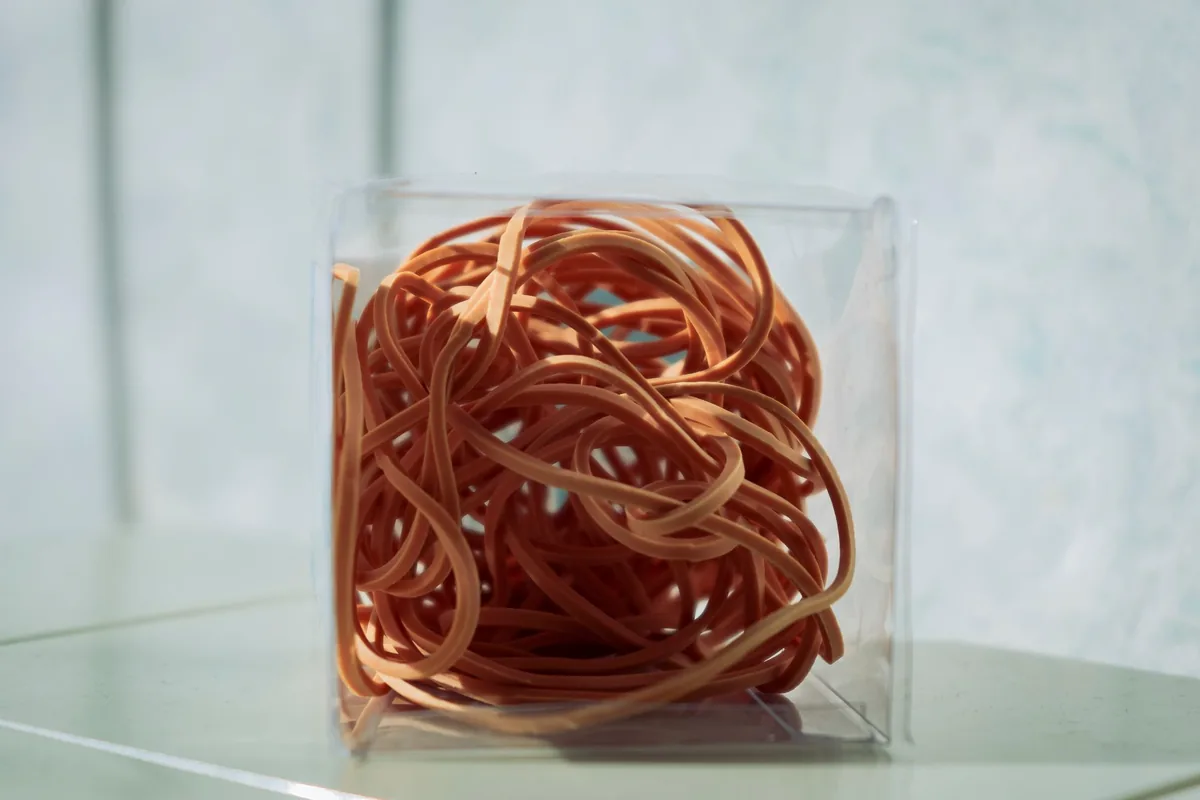
So the method starts with counting. It takes seven days and a sticky note. A week of notes can reveal common arrivals, though it will miss some less frequent needs.
How do you track what goes into the drawer?
Stick a note inside the drawer, on the front panel. For seven days, every time someone drops something in, make a tally mark next to a category. Keep the categories broad, such as papers, batteries, keys, tools, cords, pens and food items.
If it is safe, observe the usual inflow during the week. Remove or secure hazards immediately rather than waiting. Ask everyone in the house to add a mark for incoming items and note individual items they use.
At the end of the week, look at the note. Look for categories with the most marks. Those arrivals may help explain why your drawer refills.
Review the individual items you used during the week alongside the arrival counts. A category tally cannot show whether every item in it was useful, and a short observation period can miss occasional needs.
That split is the key to the whole method. Use the notes as a starting point, not an automatic disposal rule. Keep or relocate each item based on safety, available space and how quickly you may need it, including emergency or infrequently used essentials.
How to organize a junk drawer step by step
Once you have your notes, set aside time for a reset. Work through these steps in order, and measure as you go, so the new layout fits the drawer you have.
- Empty the drawer carefully onto a clear surface, keeping sharp objects, loose batteries and small parts secure and inaccessible to children and pets. Wipe the drawer clean.
- Measure the inside width, depth and height, and write them down.
- Sort everything into the categories on your note, one small pile each.
- Separate ordinary trash from batteries and other items needing special handling. Follow local collection rules; in the US, EPA says not to put lithium, rechargeable or button-cell batteries in household trash or municipal recycling bins.
- Decide which items should stay and which need a suitable home elsewhere; keep occasional and emergency essentials accessible.
- Count what is left: the tools and essentials you have chosen to keep here.
- Choose trays or an insert that fit your measurements and the items you are keeping.
- Place the most used items at the front, and test the drawer ten times.
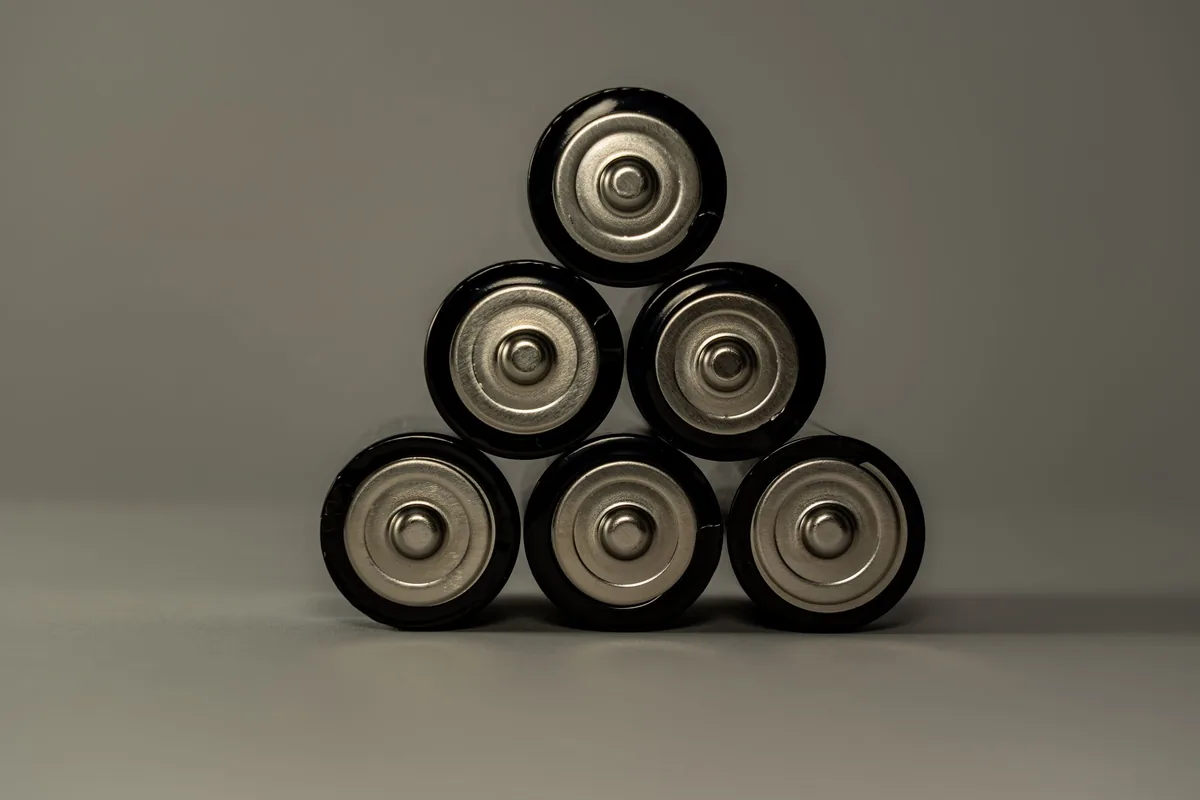
Step five gives each item a deliberate place. Give each category a safe destination. Keep spare batteries in their original packaging or a suitable holder, away from loose metal, heat and child access. For used lithium, rechargeable and button-cell batteries, protect terminals with non-conductive tape or place each battery in a separate plastic bag, following EPA battery guidance and local collection rules. In the US, do not put lithium, rechargeable or button-cell batteries in household trash or municipal recycling bins. Keep new and used button and coin cells locked away and inaccessible to children. If a battery may have been swallowed, seek emergency medical attention immediately; do not wait for symptoms. See CPSC’s button-battery guidance. Keys and papers need separate homes, not the same battery box.
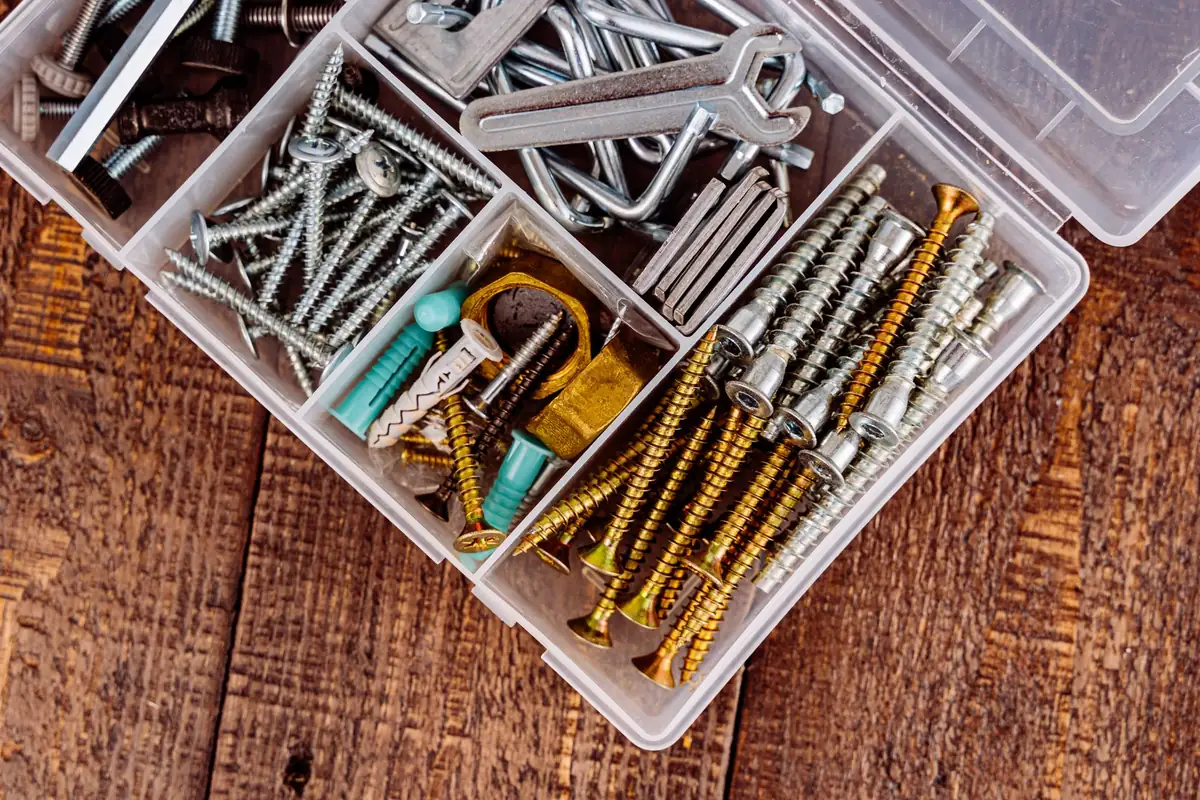
Choose trays or a divided insert after deciding what should stay. A full kit may include sections you do not need; choose the number and size that fit your items and drawer.
Step eight is the real test. Open and close the drawer ten times. Watch whether anything slides, tips or jams. If a tray moves, add a thin non slip liner. If an item has no clear spot, it may not belong in the drawer at all.
What should actually stay in a junk drawer?
A useful drawer holds items that belong near at hand, including occasional essentials. Think of the small things you reach for most weeks: scissors, tape, a pen, a marker, a small screwdriver, rubber bands, and a charger cable you use often. These items earn a place near the kitchen or entry.
Other items can stay or move depending on their purpose and safe storage needs. For example, keep batteries in suitable packaging away from loose metal, heat and child access; give bulbs, manuals and gift cards identifiable homes.
For each item, consider how often you use it, whether it is needed in an emergency, and where you would look for it first. Keep important occasional items accessible even if they were not used this month.
Papers can build up quickly. Consider a separate tray or folder and review it regularly, retaining important documents and disposing of sensitive papers securely.
Size the drawer set to the drawer. Avoid overcrowding and keep items easy to see and retrieve. A single layer can help, but prioritize safe storage and access over a rigid rule.
The five minute version
When time is short, try a brief clear-out; handle sharp objects and batteries carefully rather than rushing.
- Move papers to an appropriate folder, recycling or secure disposal after checking what must be kept.
- Remove anything that does not belong in the kitchen or entry.
- Put each remaining item back in its tray, front to back by use.
Removing unneeded papers and items from other rooms can make the remaining contents easier to find. Do the full reset again when the note shows a new pattern, or when the drawer stops closing smoothly.
The five minute version also works as a weekly habit. Pick one day, like trash day, and do it then. A short weekly clear stops the slow build up that makes a full reset feel like a big job.
What goes wrong when you organize a junk drawer?
One common problem is a pile on top. New items arrive, and there is no open tray for them. So they sit on top of the dividers. The early warning sign is anything resting across two sections instead of inside one.
When you see it, act that day. Take the item out and move it to its exit, or give it a tray if it has become a daily tool. Addressing it early can help prevent a larger pile.
The second failure is no exit. Create a separate, suitable home for each category instead of mixing batteries, metal spare parts and bulbs in one box. Protect battery terminals from contact with metal or other terminals, keep cells inaccessible to children and follow the manufacturer’s and local waste service’s instructions, especially for damaged or leaking batteries.
Another potential problem is a tray with compartments that do not suit the items. Choose an insert or separate trays with sections that fit and can be cleaned.
The fourth failure is skipping the count. A seven-day note can reveal patterns you might miss, but it is optional and does not capture every occasional need.
How do you keep the junk drawer from refilling?
Keep the note going, in a lighter form. Leave a small sticky note in the drawer and add a mark whenever something lands with no tray. Check it once a month. A category with many marks needs a new exit.
Use the one in, one out rule for the drawer set. When a new tool earns a place, an old one leaves. Treat this as an optional space-management rule, not a reason to discard necessary or emergency items.
Deep kitchen drawers nearby can take pressure off. If your junk drawer holds container lids or bags, they may belong in a deeper drawer instead. Our guide on how to organize tupperware lids in a deep drawer can help you set that one up.
For more systems that work across the house, visit the whole home hub. If you want a full plan, the free 30-Day Home Reset walks through each space, starting with sorting before any shopping.
That order is the SETS method: Sort, Edit, Type, then Store. This drawer is often the first place people try it. It is a small space where you can try the method and adjust it over time.
Check the drawer again after four weeks. Compare it with your first note. If the same category keeps coming back, consider whether its home is convenient and adjust the layout if needed.
A working drawer feels quiet to open. You see every tool, you take one out, and nothing slides. If yours feels like that after a month, the flow is under control.
Frequently asked questions
What should be kept in a junk drawer?
Keep useful small tools and any occasional essentials you need close by. Give other items identifiable homes, and store batteries, sharp items and small parts safely; a quiet month does not mean an essential item should be discarded.
How do I stop my junk drawer from getting messy?
Change what flows in. If useful, track arrivals for seven days, then choose a suitable home for each item, inside or outside the drawer. Keep useful tools and occasional essentials inside when it is safe and practical. Do a five minute clear once a week, and remove any item that ends up sitting on top of the dividers.
What is the best organizer for a junk drawer?
A divided insert or several small trays can work. Measure the drawer first and choose sections that fit the items you keep and allow safe access.
How often should you clean out a junk drawer?
Try a five-minute clear weekly and a fuller reset when needed. The weekly clear removes papers and items from other rooms. For a fuller reset, a fresh count can help identify what is flowing in. Both can help limit buildup, though the frequency can fit your household.
Is it okay to have a junk drawer at all?
Yes. A junk drawer can hold useful tools and occasional essentials close to where you need them. The problem is only when it becomes storage for items with no home. Give those items exits, and the drawer becomes a handy tool drawer again.
Written by the SetsQuick Team. First published · Last updated .
© SetsQuick. This article and its images may not be copied or republished without permission. To report reuse, see our DMCA page.
Was this guide helpful?
Save it for later or send it to someone