
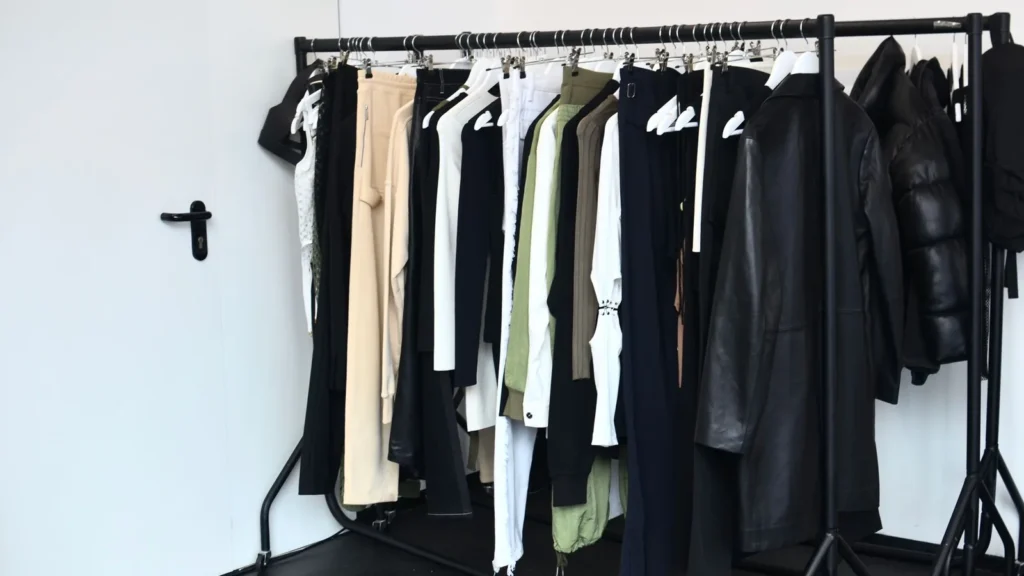
When you want to declutter a wardrobe but feel attached to the clothes, consider why you keep each uncertain item. You can keep it, make a different choice, or give yourself time to decide; this guide offers optional prompts and a holding-box idea.
Key takeawaysDecide these before you open the closet
- Consider why you keep a doubtful item; cost, a gift, or possible future use are examples, not the only reasons.
- Use each reason as a prompt, not a rule requiring you to let the item go.
- If useful, put nonessential doubtful items in a manageable, accessible holding box with a written list and review date.
- Work one category at a time; try a short session and stop when it suits you.
Why is it so hard to declutter a wardrobe you feel attached to?
Clothes can carry memories and meaning. A jacket can hold the memory of a trip, and a dress can stand for a version of yourself you hoped to become. An expensive coat can feel like money thrown away.
Those feelings may make a simple keep-or-release rule unhelpful for you.
A simple keep, donate, or discard sort may not leave room for uncertainty. You can add a decide-later option instead of forcing an answer.
A process for uncertain items can make room for a decision without forcing one. You can keep a piece, review it later, repair it, or choose to let it go.
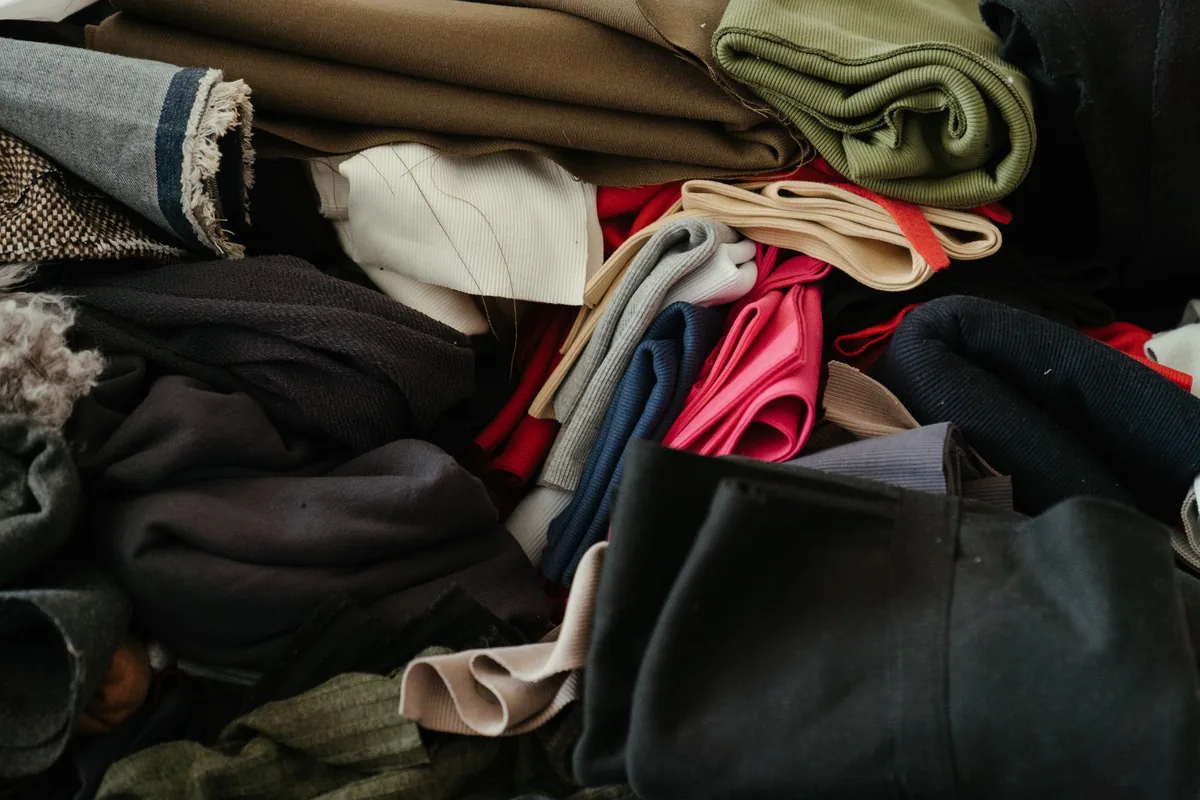
You may find it useful to separate a storage decision from the feelings attached to an item, but there is no single reason or rule that fits everyone. Use the prompts as optional reflection, not a psychological assessment. Keeping an item or postponing a decision is a valid outcome.
A dated holding box is an optional way to postpone a decision, not a safeguard against every mistake. List the contents and keep them retrievable. Leave essential and seasonal items accessible, and choose whether the experiment suits you.
Which prompts can help with doubtful clothes?
The three groups below are prompts, not a complete classification of why people keep clothes. An item may have practical, cultural, financial, sensory or accessibility value beyond these examples. Consider your own circumstances and decide only for belongings you own or have permission to change.
The first group is cost guilt: pieces that were expensive, barely worn, or bought on a whim.
Keeping them feels like a way to justify the money, but the money is already spent whether the item hangs in your closet or not. One optional question is whether you would buy it again today; the answer does not by itself decide whether to keep, repair, sell, or donate it.
The second group is gift guilt, meaning pieces from someone you care about, where releasing them feels like releasing the person. You may keep the gift, take a photo, pass it on, or decide later. The choice and its meaning are yours.
A third prompt is future or occasional use. Consider season, formal events, uniforms, repair plans and essential or adaptive needs before moving anything. A season without use does not mean an item has failed a test or should automatically leave your wardrobe.
Some items may not fit these prompts at all. Consider their condition, usefulness and meaning before deciding what to do.
How to declutter a wardrobe step by step
Try this sequence one category at a time. Twenty minutes is an optional starting point, not a proven ideal; stop or take a break when needed.
- Pick one category, such as tops, and take out only as many items as you can comfortably review and put back.
- If a timer helps, set one for a period that suits you. Sort pieces into keep, ready to let go, or decide later.
- For a doubtful piece, consider any reason that matters to you; you need not assign a category.
- Use the reason as a prompt and choose whether to keep, repair, sell, donate, or defer a decision.
- Return the items you are keeping. Turning hangers backward is optional if you want a record of use.
- If using a holding box, list its contents and add a review date that fits your situation.
- If you use a holding box, label it and keep it in an accessible, safely liftable location. Keep heavy boxes low and essential items easy to retrieve.
- If you wish, repeat with another category on another day.
If useful, turn hangers backward and turn each one normally after wearing the garment. This records use only during the chosen period. It does not establish that unworn clothing is unnecessary; consider season, occasion and essential needs before deciding.

If you choose to donate items, keep the bag in a safe place that does not block doors or exits. Take it when convenient and check the recipient’s requirements.
If you share a closet, sort only your own clothes unless the other person agrees to take part. Invite them to try the method on their side if they want to.
How does the dated holding box work?
A holding box is one optional place to keep nonessential items while you decide. Keep the contents identifiable and accessible.
Choose a manageable box only if this approach is useful; there is no required size or number of boxes.
Choose a box size you can safely handle rather than a limit that forces a decision. If it fills up, pause or change the approach. There is no requirement to discard an item to make the experiment work.
If you choose a holding box, set a review date that fits your situation; ninety days is an optional example, not a psychological rule. List the contents so they remain findable, keep essential or seasonal items accessible, and use a manageable box stored safely without heavy overhead lifting.
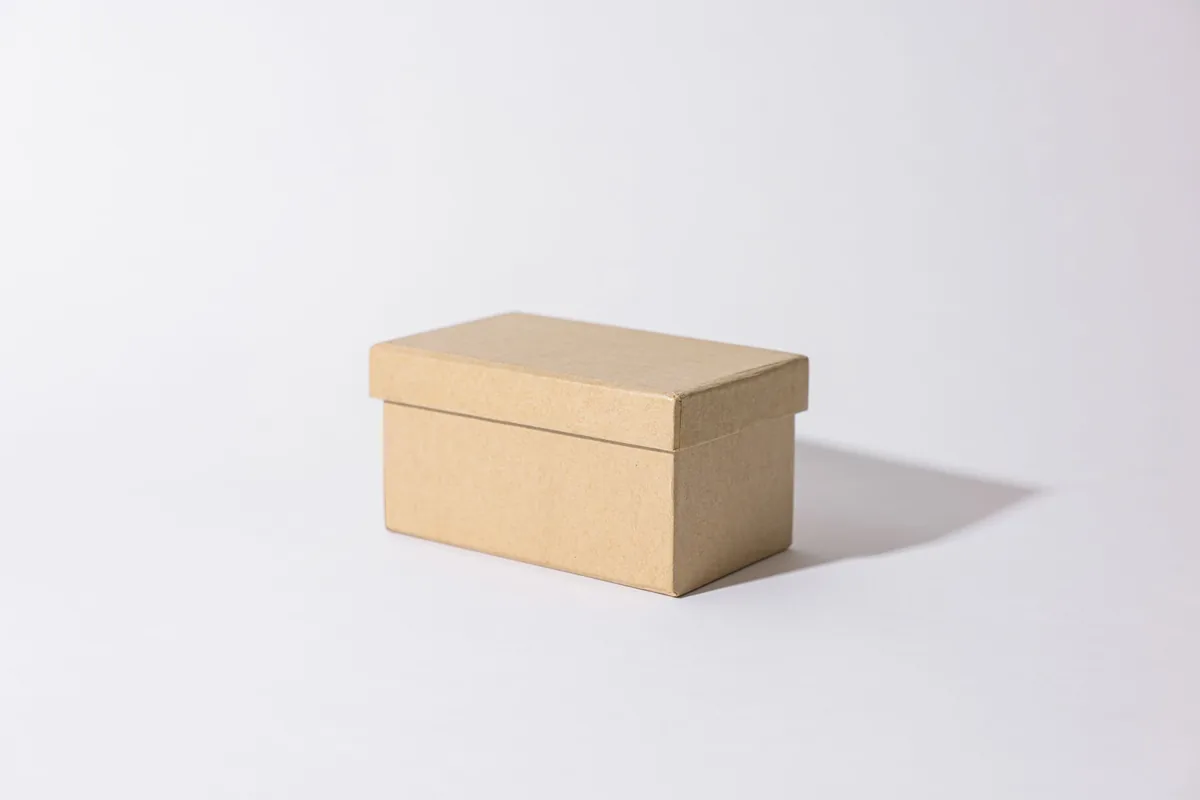
At the review date, use the list to consider what was useful, missed or still has a purpose. Open the box whenever that helps. Consider seasonal, occasional, adaptive and essential needs, then choose what to keep, relocate, repair or let go.
Do not dispose of the remaining contents automatically or without checking them. Not remembering an item during the review period does not establish that you will never need it. Review the actual items and their context before making a decision.
What is the five minute version?
If you have five minutes, inspect one or two items. Damage, stains or fit do not decide an item’s value: you can keep, repair, donate, recycle where accepted, or defer the decision.
If useful, turn some hangers backward to start a record of use. Unworn items may still serve seasonal, occasional or essential needs.
Choose one uncertain item and consider why you keep it. Keeping it or deciding later is as valid as choosing another option.
A short session can be a lower-pressure way to start.
What goes wrong when you declutter a wardrobe?
Reopening the box is not a failure. A change in weather, need or circumstances may be a good reason to retrieve something. Update the list and adjust or end the experiment rather than treating an untouched box as the goal.
If you retrieve an item, note why and decide where it is useful now. You do not need to restart a review period or prove you can go without it. Keep seasonal, essential, adaptive and repair-related needs in view when reviewing the rest.
A long session may not suit you. Pause when you want to, and return to the remaining items later; no particular session length guarantees a better decision or less regret.
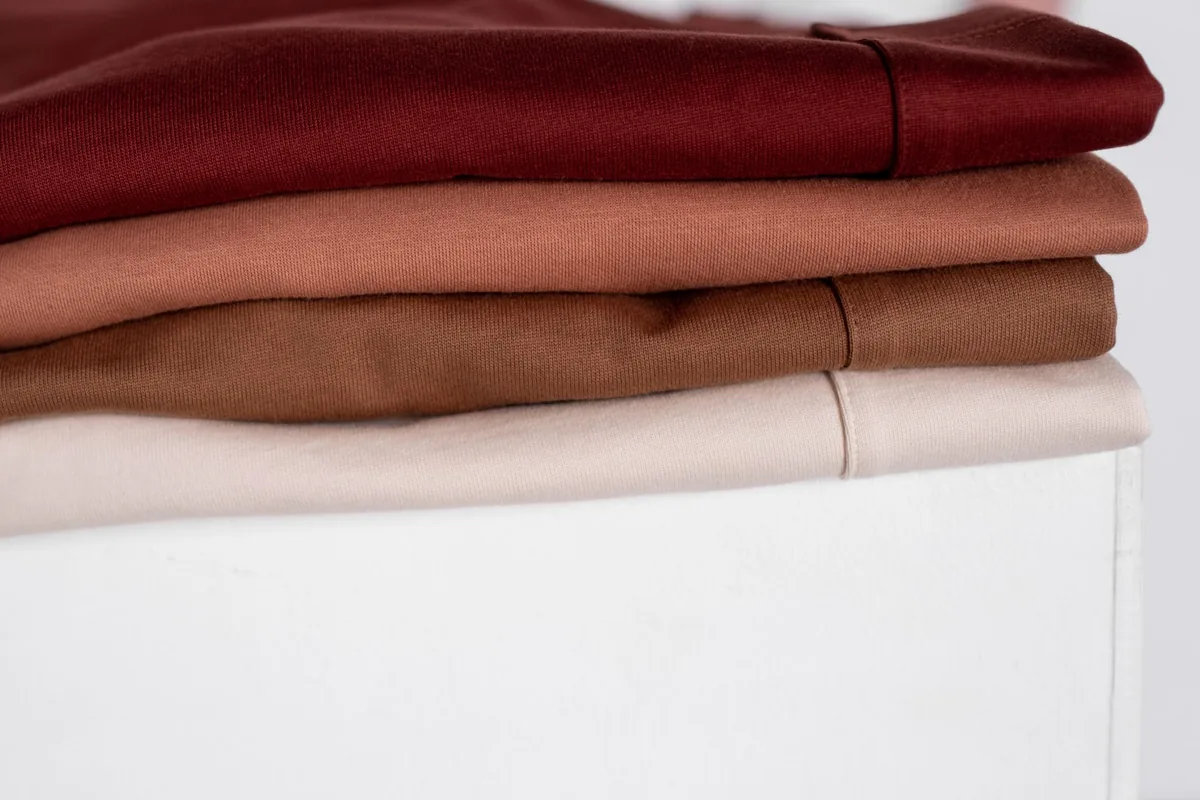
If new purchases make the space hard to use, consider your available space and actual needs before buying. A one-in, one-out approach is optional and need not replace an essential item.
Gifts can carry meaning even when unworn. Keep one if you wish, document it, offer it back, or decide later without treating any choice as a test of loyalty.
How do you keep the wardrobe from filling up again?
If a hanger record helps, review it at a time that suits your circumstances. Non-use during the period does not prove an item is unnecessary.
You can apply the same approach to shoes and accessories if useful. Shoes can take up space, and choosing storage that fits your space can help. Our comparison of an over the door shoe organizer vs a shoe rack explains which option suits a small closet once the pairs you keep are clear.
Store off-season clothing clean and dry in a location suited to the garments and your access needs. Keep heavy boxes low, do not overload shelves, and avoid lifting awkward bins overhead. Leave essential or unexpectedly needed items easy to retrieve.
This approach draws on the SETS method, which begins with sorting and considering what to keep before deciding on storage. You can find more closet systems on the closet hub, and the free 30-Day Home Reset walks through one space at a time.
A useful wardrobe supports your actual needs and is manageable to access. A holding box or hanger record may help some people, but neither guarantees freedom from regret. Keep, adjust or stop the approach according to what works for you.
Frequently asked questions
How do I declutter clothes when I am sentimental?
Use the questions about cost, gifts and possible future use only if they help. You can keep the item, document a memory, repair it or defer the decision. A dated holding box is optional; choose an accessible, safely liftable location and a review period that accounts for season and actual needs.
What if I regret getting rid of clothes?
A holding box cannot guarantee freedom from regret or establish that an item will never be needed. Non-use during the review period may reflect season, health, work or opportunity rather than a lack of value. Review the context and choose for yourself; no automatic disposal is required.
How many clothes should I keep in my wardrobe?
There is no single right number of clothes. Consider climate, laundry, work, occasions and accessibility. A backward-hanger record can be an optional prompt, but non-use during a review period is not a reason by itself to discard an item.
How long should decluttering a wardrobe take?
The time depends on the wardrobe and your circumstances. Try one category at a time and a session length that suits you; pause whenever needed.
What should I do with clothes I feel guilty about?
Consider the item’s practical and personal value as well as its cost or origin. You can keep, repair, sell, donate, document, or decide later; there is no required choice.
Written by the SetsQuick Team. First published · Last updated .
© SetsQuick. This article and its images may not be copied or republished without permission. To report reuse, see our DMCA page.
Was this guide helpful?
Save it for later or send it to someone